


Watch Efosa in Action
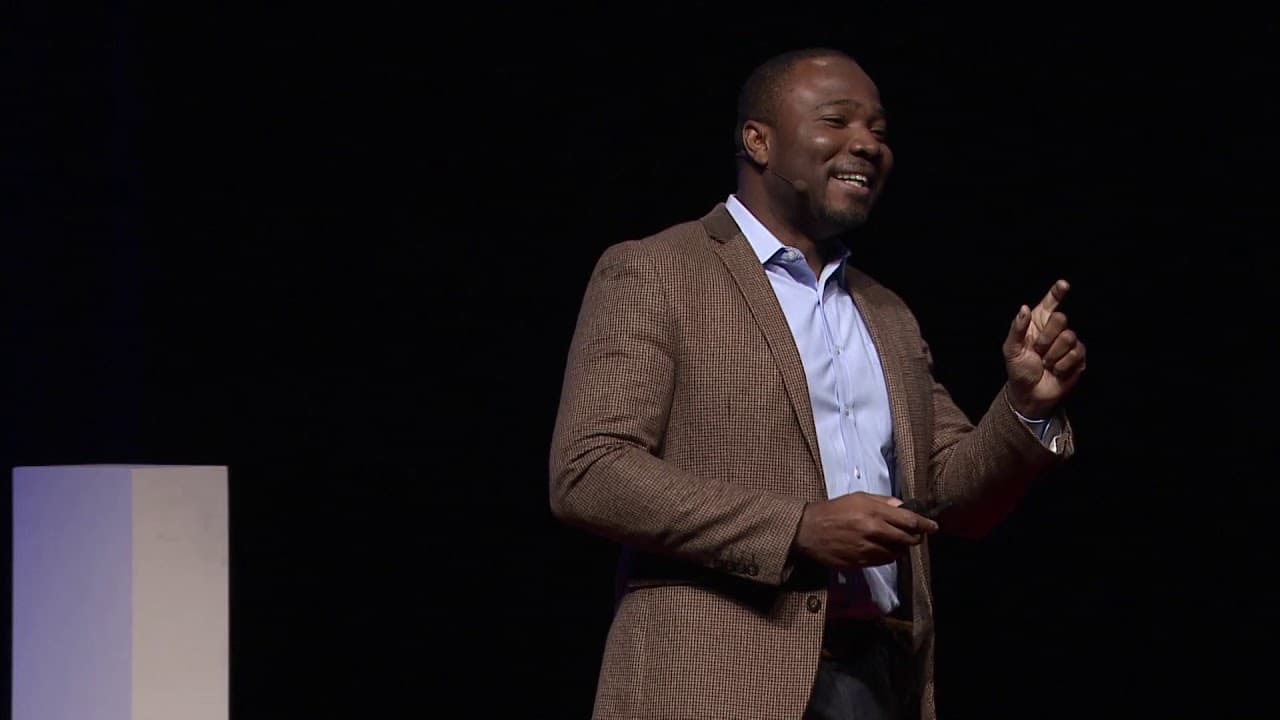
About Efosa Ojomo
Efosa Ojomo asks a question most growth strategies never reach: how can business tap unrealized sources of prosperity while making the world better off? His answer is that innovation and entrepreneurs are not just part of the solution to poverty. They are the solution.
At the Clayton Christensen Institute, Ojomo helped formulate a new theory of economic development centered on market-creating innovations. By understanding the many "jobs" that arise in consumers' lives, entrepreneurs can build innovations people hire to get those jobs done, generating markets where none previously existed. His co-authored book, The Prosperity Paradox, traces the pattern from the Ford Model T, which made cars accessible to ordinary Americans, to Tolaram instant noodles, an inexpensive, convenient food made available to millions of Nigerians. The argument runs against decades of development practice: low- and middle-income countries do not primarily need charities and NGOs to push resources into their communities; they need innovations that pull those resources in.
Efosa's Keynote Topics
Drawing from his path-breaking research with the late Harvard Business School Professor Clayton Christensen, Efosa Ojomo reveals how entrepreneurs, multinational corporations, and investors can target disruptive innovations in emerging market. In so doing, these disruptive innovations will not only generate immense growth for companies, but they also lay the foundation for sustainable and long-term economic development of countries. As Ojomo explains, innovation isn’t simply something that happens on the fringes of society after society “fixes” itself, that is, after society builds its infrastructures and develops its courts, legislatures, financial markets, etc. Instead, innovation is the process by which society develops itself. It is precisely through disruptive innovations that create, or connect to, new markets that societies can create jobs, pay taxes, and build their infrastructures and institutions. Ojomo provides unique insights as to how firms can successfully invest in and manage disruptive innovations in emerging markets. He also provides frameworks for policy makers as to how they can adopt principles and theories of innovation in order to spur the development of their economies.
What is innovation’s role in lifting nations out of poverty and placing them firmly on a path toward prosperity – even in the face of a global crisis? How can entrepreneurs, investors, development experts, policy makers, and government officials focus on the type of innovations that can create lasting growth and prosperity for companies and nations? Efosa Ojomo explains the critical role of innovation in not only helping nations escape poverty, but also in creating prosperity – especially during uncertain times. Every year, hundreds of billions of dollars are spent on development projects, commissioned by some of the smartest and most passionate development professionals with years of experience. But somehow, progress is not as rapid and sustainable as many would like. Using theories and models developed by the late Professor Clayton Christensen and his team, Ojomo explains this prosperity paradox. Instead of trying to address visible signs of poverty by pushing resources onto poor countries, says Ojomo, businesses and entrepreneurs must pull resources in through new innovations that create markets of consumers where none previously existed. Drawing from the acclaimed book he co-authored, “The Prosperity Paradox: How Innovation Can Lift Nations Out of Poverty” (Harper Business, January 2019), Ojomo shows how crises stimulate the kind of groundbreaking innovation and experimentation that generates new markets and creates prosperity for all stakeholders.
While the word “innovation” has become popular and is now seen as good for society, the word has also taken on many different meanings. In Efosa Ojomo’s talks, he rescues the word from its overuse and provides a simple framework that helps managers, policy makers, and organizations understand both the meaning and the different types of innovation. According to his research with the late Professor Christensen, there are three types of innovation, and although all are important for an economy to flourish, each has a vastly different impact on society. The three types of innovations are: market-creating (disruptive), sustaining, and efficiency. In his informative talks, Ojomo breaks down the major differences among these types of innovation, provides examples, and shows how firms can target market-creating innovations for growth. Research by the late Harvard Business School Professor Clayton Christensen and Efosa Ojomo – crystallized in their groundbreaking book “The Prosperity Paradox ” – reveals that the key to success is targeting non-consumption through market-creating innovations. By doing so, firms can develop highly profitable business models in emerging markets. Drawing on countless case studies, Ojomo shares frameworks for both spotting non-consumption and for building a business model that is laser-focused on going after the non-consumers.
Books by Efosa Ojomo

Articles by Efosa Ojomo
Leveraging Market-Creating Innovations to Solve Brazil’s Education Paradox
2022Christensen InstituteMaking Your Own Luck in Emerging Economies: Six Innovative Strategies For Creating New Markets
2021Christensen InstituteAvoiding the Prosperity Paradox: How to Build Economic Resilience in a Post-COVID World
2020African DisruptorsFor Africa, There Can Be No Development Without Disruptors
June 2016Efosa in the Media

Nigeria Should Seize the Opportunity in ‘Non-Consumption’
We Must Start Talking With a Lot More Insights — Efosa Ojomo, Director, Global Prosperity at the Clayton Christensen Institute, on How Africa Can Attract Patient Capital

Unleashing the Power of Market Creation

Creating a Market for Solar Energy in Nigeria
3 Traits of Successful Market-Creating Entrepreneurs

Efosa Ojomo - The Prosperity Paradox

Prosperity Through Innovation

There's Always That Talent Out There

Six Questions for Efosa Ojomo, Christensen Institute for Disruptive Innovation

Shifting From B2B to B4B Can Build a More Sustainable Business
Why Alleviating Poverty Is Not the Same as Creating Prosperity

20 Years After the Afghanistan Invasion, a Lesson in How Not To Spend Development Aid
Bring Efosa to your next event
Tell us about your event and we will be in touch right away.


