
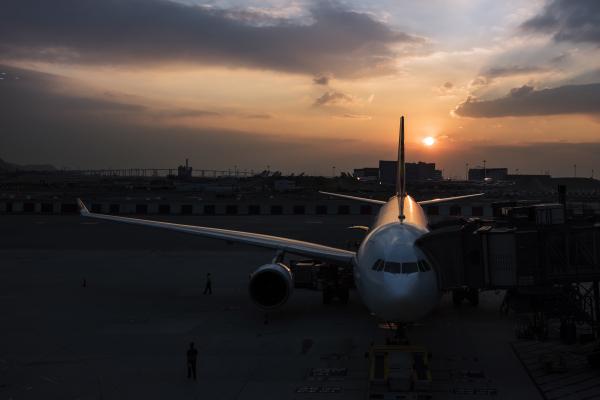
Four Stellant Group speakers weigh in on November's unprecedented outages.
If the platforms a business depends on failed at the same time tomorrow morning, how would its leaders manage the technical and public response?
In mid-November, that stopped being a thought experiment. On Nov. 13, the FAA halted all departures nationwide after a router upgrade at a radio site in El Dorado, Arkansas, flooded its legacy network with connection attempts. Four hours passed before the administration held a press conference. The day before, Microsoft Outlook and Teams had gone down for enterprise customers worldwide. Within days, JPMorgan Chase's systems disrupted transactions across major U.S. banks, Apple services went down and the NSA's classified internal network failed.
Four Stellant Group speakers appeared in major outlets between Nov. 13 and Nov. 19 to respond to the crisis. They agree: companies and governments alike need to get ahead of shared vulnerabilities, especially as AI becomes even more diffused across aging tech infrastructure. Together, they point to the question now on every chief risk officer's and general counsel's desk: which of our critical operations sit on the same few platforms, and who owns the message when they fail together?
Key Takeaways
- Olaf Groth traces platform failures to "correlated fragility": systems that appear independent failing together because they rest on shared infrastructure. As AI-era loads and rushed upgrades stack onto decades-old platforms and networks, routine changes now fail at national scale.
- Jonathan Zittrain warns that with organizations "patching everything everywhere all at once," no one may have a map of what connects to what, and notes that nobody is keeping a record of where AI sits inside their systems.
- Ayanna Howard says, "I don't believe in coincidences," and calls for the government, regulators and companies to treat the moment as "all hands on deck."
- Juliette Kayyem argues that authorities should quickly tell the public "what is known, what is not known, and what they are doing to close that gap." After the ground stop, the delay in official communication turned a technical failure into a failure of trust.
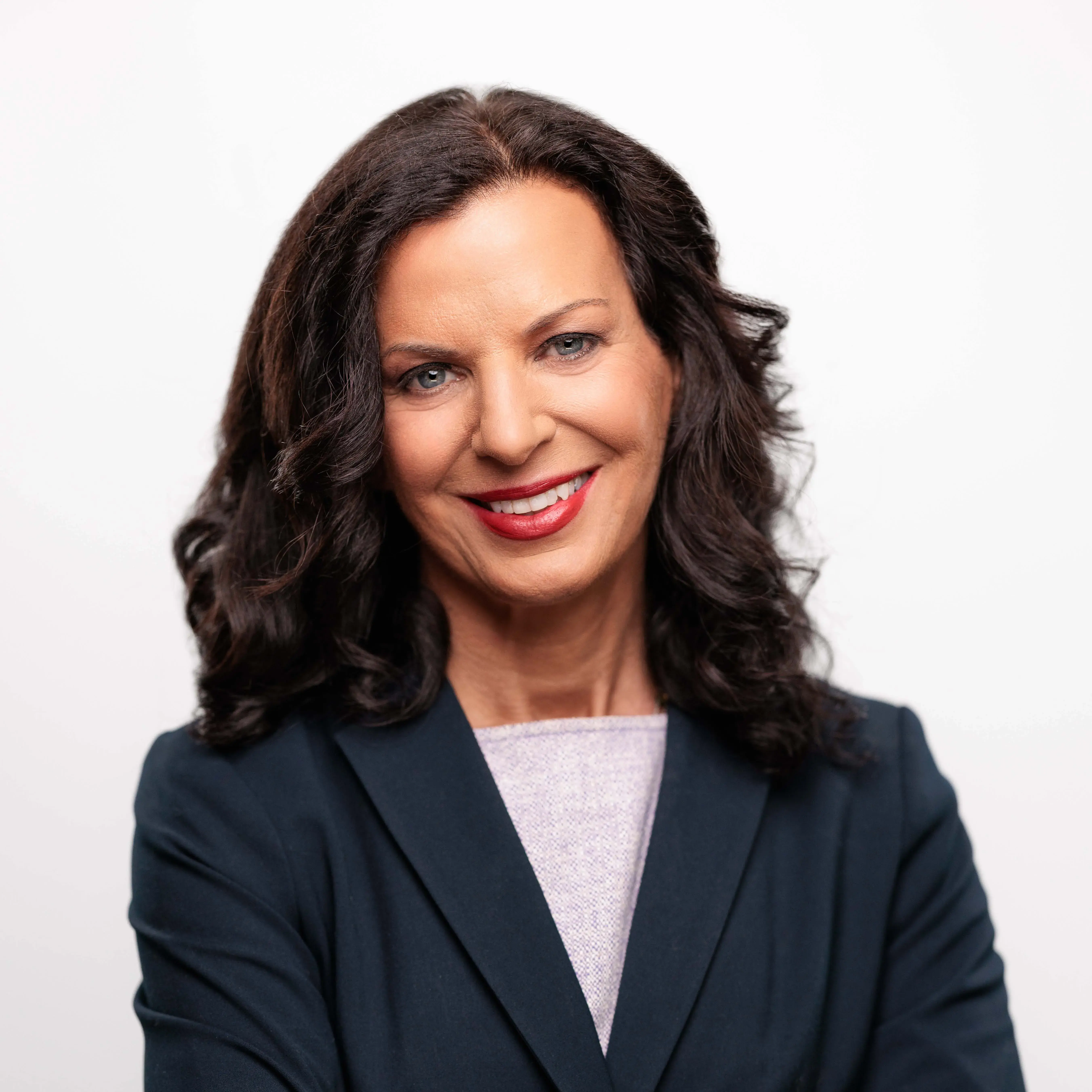
Groth: Systems That Look Independent Are Failing Together
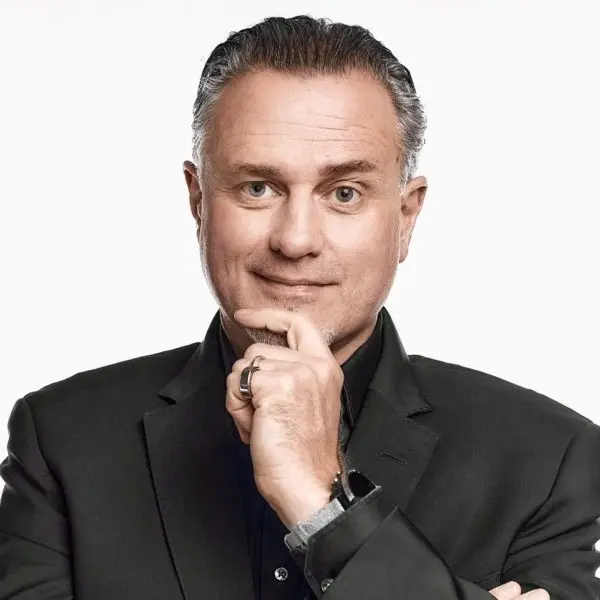
Olaf Groth, professional faculty at UC Berkeley's Haas School of Business and founding CEO of Cambrian Futures, gave a structural explanation in GovInfoSecurity's "Why Are So Many Critical Systems Failing at Once?" on Nov. 17. "Different triggers, same root: everyone is modernizing simultaneously on the same few concentrated platforms," he said. "We've stacked AI-era loads and rushed upgrades onto brittle, decades-old infrastructure with almost no slack, so routine changes now fail at national scale."
Groth said the rush to patch has revealed a "correlated fragility" in IT infrastructure: systems that appear independent failing together because they rest on the same foundations. "Even the NSA's own classified network going dark with no sign of attack shows the bigger risk right now is self-inflicted fragility," he added.
Zittrain: AI-Driven Patching Is Building "Intellectual Debt"
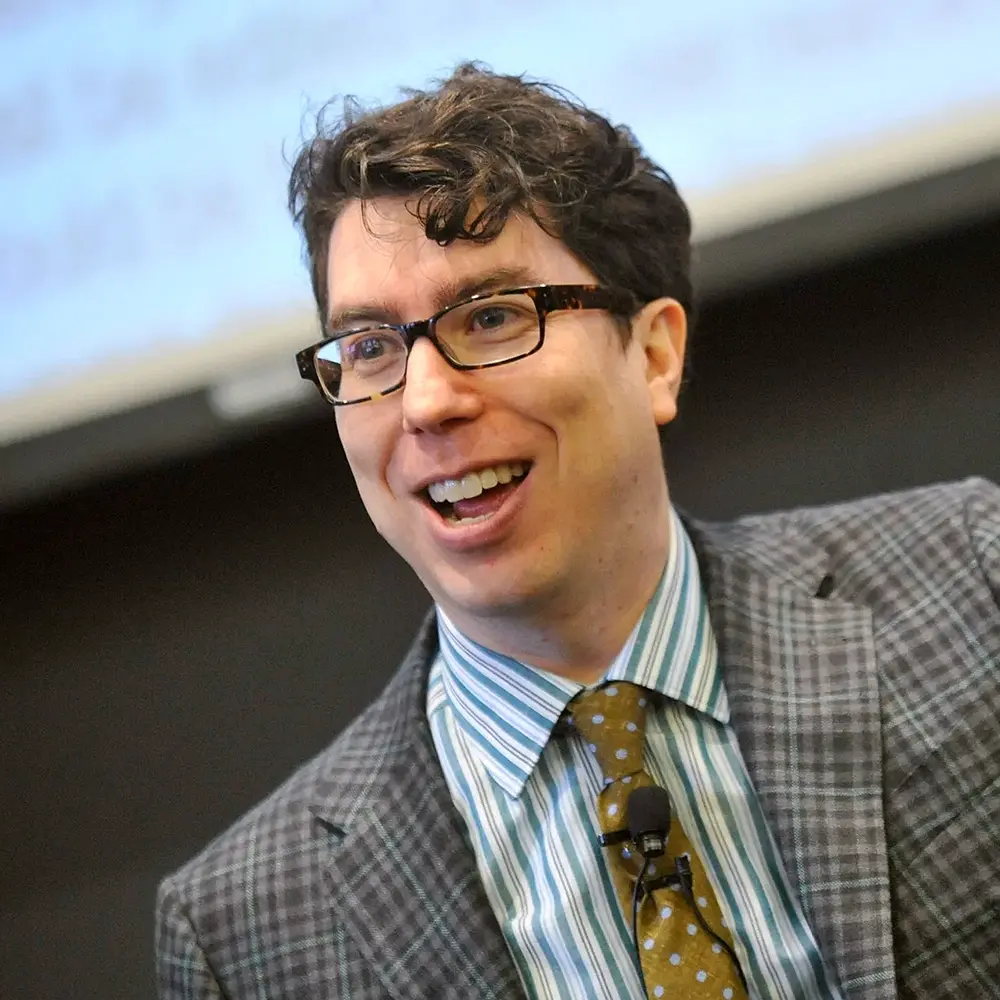
Jonathan Zittrain, Harvard professor of law, public policy and computer science and co-founder of the Berkman Klein Center for Internet and Society, explained the mechanism to the Boston Globe on Nov. 19 in "How do we understand all the outages? A Harvard professor offers a way." The rush to patch vulnerabilities that AI has suddenly made visible is creating what Zittrain calls "intellectual debt": "We're just all patching everything everywhere all at once," he said, with the risk that "no one will have a map they can understand about what connects to what, what relies on what."
Zittrain compared AI to asbestos: it is built into other systems wholesale and may require large-scale remediation when they fail. He said it boggles his mind "that nobody is keeping a record of where the AI is," even within companies that have reason to want to remediate problems. "It's just behind the walls," he said.
Howard: Outages Raise Security Questions
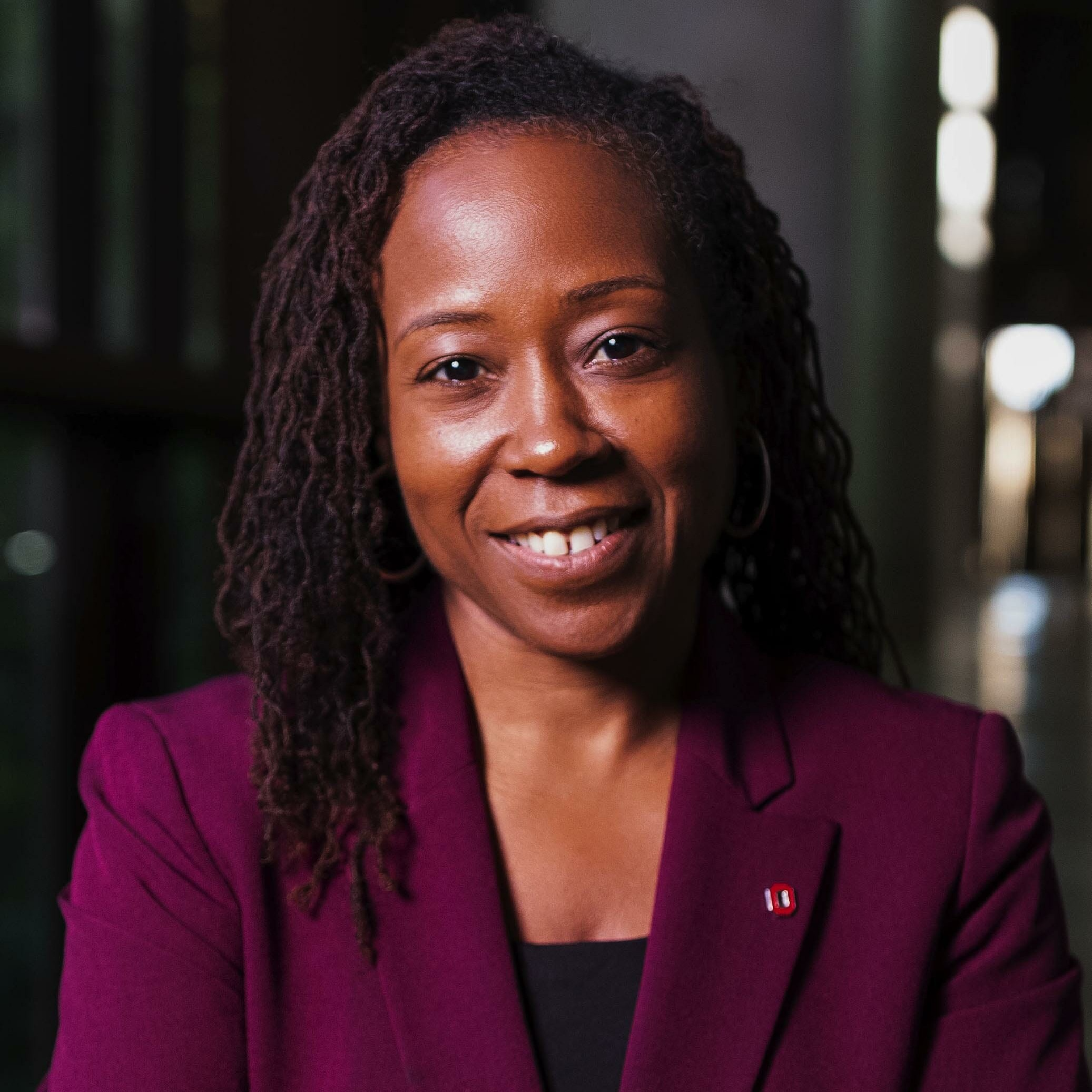
Ayanna Howard, president of Spelman College and a former NASA JPL roboticist, took the question to PBS's Amanpour and Company on Nov. 19 in "'I Don't Believe in Coincidences:' AI Expert Warns of Recent Tech Outages." Howard argues that the timing and similarity of the incidents, concentrated within days and involving networking and communications systems, warrant investigation as more than chance.
"The things that bad people can do with AI are these kinds of things," she said. "If you have the tools and three hours to get into a system, it's very difficult for us to adapt. Especially given that our infrastructure is pretty old and archaic." Howard called for the government, regulators and companies to convene: "This is an all hands on deck. Let's figure it out. Let's share. Maybe we can get ahead of this."
Kayyem: The Government's Response to the FAA Ground Stop
Juliette Kayyem, the Robert and Renée Belfer Senior Lecturer in International Security at Harvard Kennedy School and CNN's senior national security analyst, wrote "Of Course Americans Blamed the Ground Stop on AI" for The Atlantic on Nov. 13 and was quoted in CNN's "'No answer': Messaging failures worsened the air traffic freeze and sowed distrust in government" on Nov. 14.
Four hours passed before the administration held a press conference on the ground stop, and airlines were inconsistent in their communications with fliers, turning a technical failure into a failure of trust. "The basics of crisis communications are not difficult to grasp," Kayyem said. "In the moment, leaders need to be transparent and clear. They need to tell people what is known, what is not known, and what they are doing to close that gap." In a crisis, she explained, people need "facts and hope."
The absence of both left room for speculation about rogue AI, cyberattacks and systemic breakdowns. Kayyem returned to the question on Nov. 17 in "What Was That?" in her Substack newsletter, Early Warning with Juliette Kayyem, and joined WHYY's Studio 2 on Nov. 19 for "Why is so much tech breaking?" On the show, she asked whether organizations have "minimized single points of failure" and can stop "what we call cascading losses," so that a system does not have only an on-off switch. The FAA's only way to ensure safety was to shut the system down, she said, and "that's not sustainable for the long term."
The Question on the Table
The November outages had different triggers (a router upgrade, a patch, a failed network), but they landed on a small number of platforms on which much of the economy depends. Companies now need to understand which critical operations run on the same few platforms, where AI is infused throughout the tech stack and what the technical and public response to an outage needs to look like. The companies best prepared for the next outage will have ready, battle-tested answers.
Each is exclusively represented by Stellant Group for speaking engagements including keynotes, fireside chats and panel discussions with leadership teams thinking through resilience, crisis preparedness, AI governance and the security questions raised by concentrated infrastructure. For our consulting or advisory offerings, please reach out through Stellant Group for a custom proposal.


