
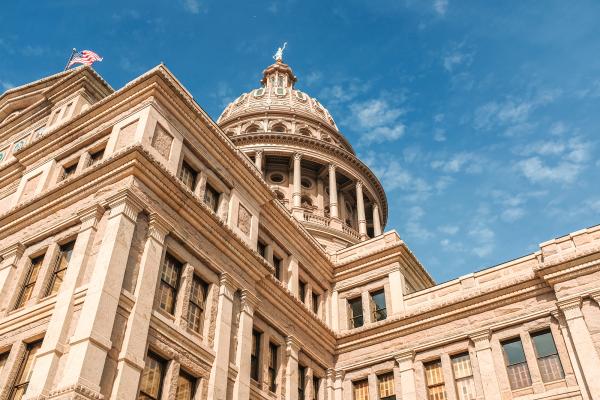
The Nov. 3 midterm elections handed Democrats majorities in both the House and Senate, ending two years of unified Republican control when the new Congress is seated in January. The result has prompted a wave of questions from leadership teams: Which policies are now contestable? What commitments can companies reinstate? And how should risk be calculated?
The answers may have less to do with Congress than with the executive branch, which can still accomplish a lot unilaterally, as well as with governors and state capitals, where Democratic wins are opening new room for action.
Key Takeaways
- Cass Sunstein points out that after Republicans took the House in 2010, the Obama administration still issued about 1,152 regulations in its second two years, compared with about 1,280 in its first two, because the executive branch “can do so much entirely on its own.”
- Leah Stokes expects Democratic wins in governors’ races, including Texas and Georgia, to bring a lot of state action on climate next year, and is optimistic about extending clean energy tax credits at the federal level because some Republicans support them. That’s critical, because Democrats don’t have the votes to override presidential vetoes.
- Andrew Winston argues that the election flips the risk calculation behind greenhushing: as of January, 75% of Americans will live under a Democratic governor, and companies in Texas and the six states with new Democratic trifectas should face far less state-level risk for pursuing sustainability goals.
- Angela Stent expects Congress to have limited ability to change the political dimensions of U.S.-Russia relations; Democrats are preparing a $15 billion aid package for Ukraine, but they lack a veto-proof Senate majority.
The Executive’s Unilateral Power
Cass Sunstein, who ran the White House office that oversees federal regulation during the Obama administration, laid out the fundamentals in “The Executive After Bad Midterms,” published on his Substack on Nov. 9. Even after the 2010 midterms, when Republicans took the House and cut the Senate majority, the Obama administration issued about 1,152 regulations in its second two years, compared with about 1,280 in the first two. “The executive branch can do so much entirely on its own,” Sunstein wrote. “Even if the House and the Senate are controlled by the opposing party, business as usual might be the order of the day.”

Sunstein identified five constraints Congress can impose: legislation (rarely, because of the veto); the Congressional Review Act for rolling back specific regulations; budget negotiations and the debt limit; confirmations; and investigations and hearings. None of these eliminates the executive’s core regulatory authority. The executive branch has “truly awesome powers,” he noted, and the informational advantage it holds over Congress remains intact.
Climate Policy Goes Bi-Partisan
Leah Stokes, the Anton Vonk Associate Professor of Environmental Politics at the University of California, Santa Barbara, told the Associated Press on Nov. 8, in “Democrats plan to push clean energy to lower bills and challenge Trump’s fossil fuel agenda,” that Democratic victories in governors’ races in states including Texas and Georgia could bring a lot of state action on climate next year. Climate leadership has traditionally come from the states, she noted.

At the federal level, Stokes is optimistic about extending clean energy tax credits, since some Republicans support them. The AP noted, however, that major legislative changes would require Republican support because Democrats lack the votes to override presidential vetoes, and that climate was not a central topic in this election cycle.
Stokes made a related point in a Climate Week conversation recorded in September and released Nov. 12 on the Energy Empire podcast, “Leah Stokes on Why the Climate Movement Thinks Too Small, and How to Take Back Power.” She pointed to the several dozen House Republicans who signed letters to protect clean energy tax credits during last year’s repeal fight, calling it “a huge change from 2022 when not a single Republican would vote for this bill.” She argued that the clean energy industry now needs to invest in political work and trade associations the way utilities and the fossil fuel industry do. “There’s a very high return on investment if you do that,” she said.
Whether state-level momentum will compensate for continued federal gridlock is now determining how and if companies will adjust their public positions accordingly.
The Corporate Silence on Sustainability
Andrew Winston, co-author of Net Positive, argued on Nov. 11 on his Substack, in “The Risk Math on Corporate Sustainability Just Flipped,” that the election has altered the calculation companies have been making for the past two years. “Companies have gone quiet for multiple reasons, but primarily it’s been about risk (political, brand, legal),” he wrote. “The calculation that C-suites and legal departments are making could point the other way soon.”
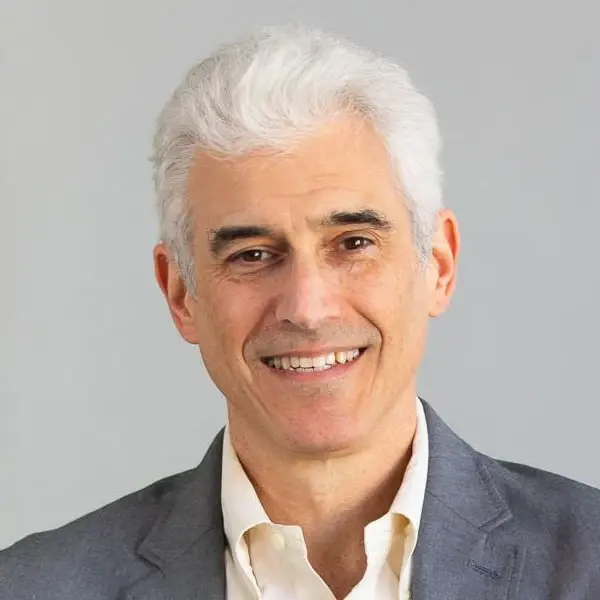
Winston pointed to the “greenhushing” that became near-universal among U.S. companies during the Trump administration’s second term, driven by fear of right-wing influencers and Republican attorneys general pursuing antitrust and other cases against ESG-focused investors. Vanguard, for example, settled a Republican AG lawsuit for $29.5 million this year and agreed to stop pushing portfolio companies to reduce emissions. Winston noted that some companies have over-complied, worrying about threats that often fizzled.
With 75% of Americans set to live under a Democratic governor as of January, and with new Democratic trifectas in six states, Winston suggested that state-level risk has shifted. “Companies operating in Texas, and the six states with new Democratic trifectas, should face far less state-level risk for pursuing sustainability goals,” he wrote.
What Congress Can and Cannot Reach on Russia and Ukraine
Angela Stent, a senior fellow at the American Enterprise Institute and former national intelligence officer for Russia and Eurasia, applied the same framework to foreign policy in “The Midterms and U.S. Policy Toward Russia and Ukraine,” published on Russia Matters on Nov. 12. She noted that the Trump administration has pursued two main strands with Russia: normalizing relations, including removing sanctions on Russian energy exports and proposing business deals, and negotiating an end to the Russia-Ukraine war through a plan that would force Ukraine to cede territory and renounce NATO membership.

Stent wrote that Congress has limited ability to change the political dimensions of U.S.-Russia relations. Trump will still choose his negotiators and set the agenda for the relationship with Russia, she noted. Democrats have said they will launch inquiries into business dealings involving the president’s family and close advisors, which could discourage further deals with Russia. On Ukraine, Democrats are preparing a $15 billion aid package and hoping to use the National Defense Authorization Act, which must pass by the end of the year, to include amendments on sanctions, intelligence support and interceptors, as well as Starlink and Starshield. But none of this can pass over a presidential veto, and Democrats lack a veto-proof Senate majority.
Where Companies Need To Look Next
Leadership teams, boards and general counsel offices are now debating how to reinstate paused commitments, engage in regulatory discussions and reprice risks. The answers depend on pinpointing what legislation Congress can pass despite executive veto power, and understanding where state-level action might move faster than federal gridlock. Companies that track both executive reach and the state-level momentum will be best positioned to make confident decisions in the year ahead.
Cass Sunstein is the Robert Walmsley University Professor at Harvard, co-author of Nudge and Noise and winner of the 2018 Holberg Prize. Leah Stokes is the Anton Vonk Associate Professor of Environmental Politics at the University of California, Santa Barbara, and author of Short Circuiting Policy and The Carbon Wave. Andrew Winston is a globally recognized expert on megatrends and sustainable business, a bestselling author and the #1 ranked management thinker in the world on the Thinkers50 list. Angela Stent is a senior fellow at the American Enterprise Institute, a former national intelligence officer for Russia and Eurasia and author of Putin’s World and The Limits of Partnership.
Each is exclusively represented by Stellant Group for speaking engagements including keynotes, fireside chats and panel discussions with leadership teams thinking through executive power, regulatory risk, sustainability strategy and geopolitical exposure in a period of divided government. For our consulting or advisory offerings, please reach out through stellantgroup.com for a custom proposal.


