

The placement that matters this quarter
On August 28, Harvard Business Review published "The Case Against AI Layoffs" by Faisal Hoque, Tom Davenport and Paul Scade. The timing is precise: boards and executive teams are making workforce decisions now, and the piece lands at the center of that conversation with a clear alternative to the layoff reflex.
The argument is straightforward. Companies that announce AI-driven headcount reductions before redesigning work at the task level are engaged in what the authors call AI-washing: using the technology as cover for cost cuts that have little to do with automation and everything to do with investor optics. The result is predictable: morale damage, productivity loss, the departure of institutional knowledge, and no meaningful gain in how AI is actually deployed.
Hoque and Davenport propose a different sequence. Start with tasks, not jobs. Identify where AI can augment human judgment, where it can take over repetitive work, and where collaboration between people and systems produces better outcomes than either alone. Only after that mapping is complete, and after the organization has built the processes and culture to support the new division of labor, does workforce planning make sense. The payoff is not just avoiding the costs of poorly-executed layoffs; it is capturing the returns that AI promises when implementation is grounded in how work actually happens.

Why these two authors
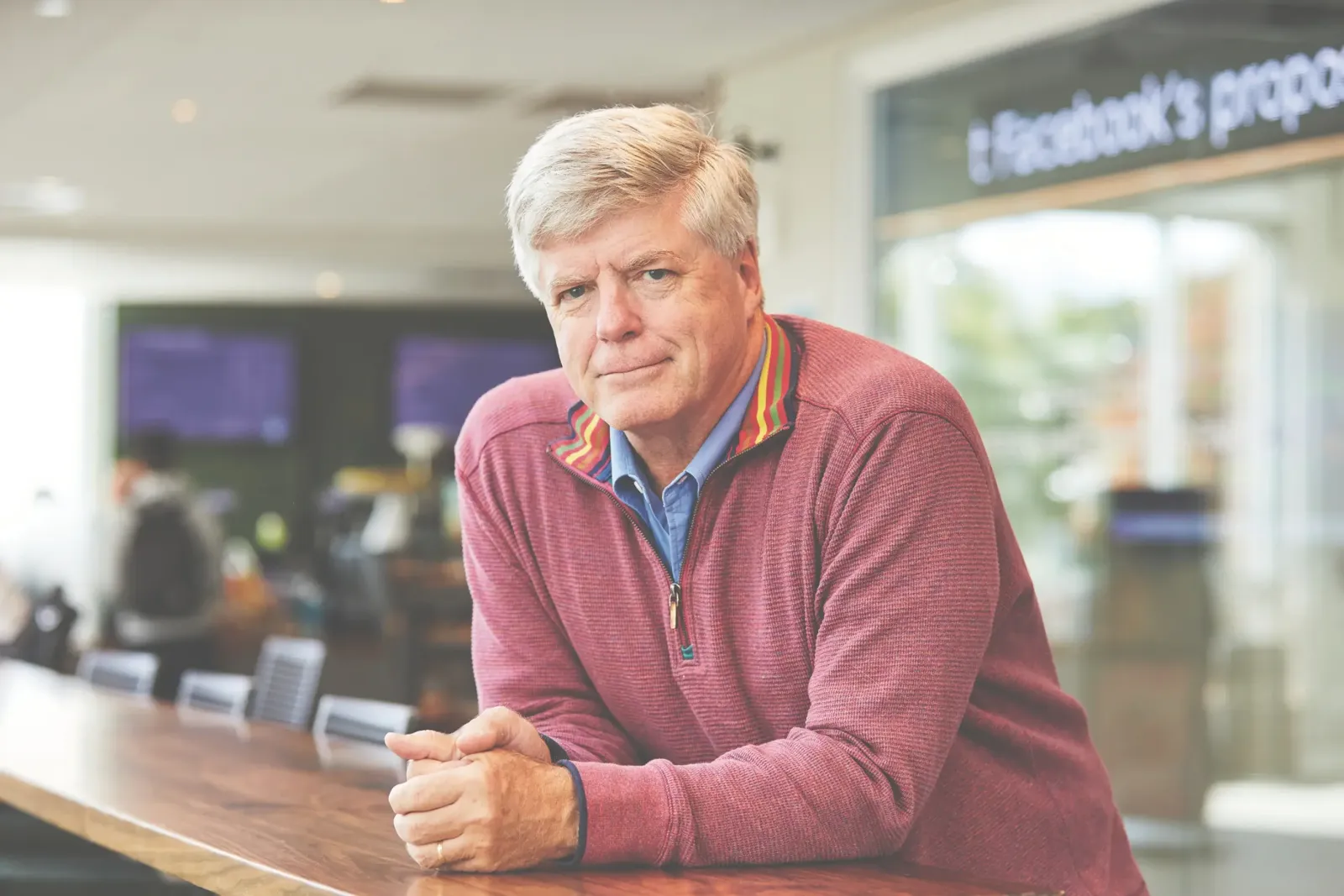
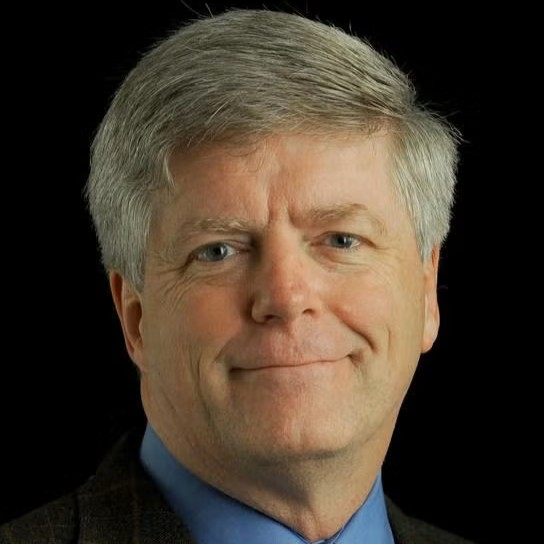
Tom Davenport is the President's Distinguished Professor of Information Technology and Management at Babson College, faculty director of the Metropoulos Center for Technology and Entrepreneurship, and co-founder of the International Institute for Analytics. A fellow of the MIT Initiative on the Digital Economy and a faculty fellow of the Stanford Institute for Human-Centered AI, he has written or edited 27 books and more than 300 articles for publications including Harvard Business Review, MIT Sloan Management Review and the Financial Times. His 2006 HBR article "Competing on Analytics" was named one of the most influential management ideas of the decade. His recent work includes Working with AI (MIT Press, 2022), which documents 29 case studies of people collaborating with AI systems in their daily work, and All-in On AI (Harvard Business Review Press, 2023), which examines 30 companies worldwide that adopted the technology aggressively.
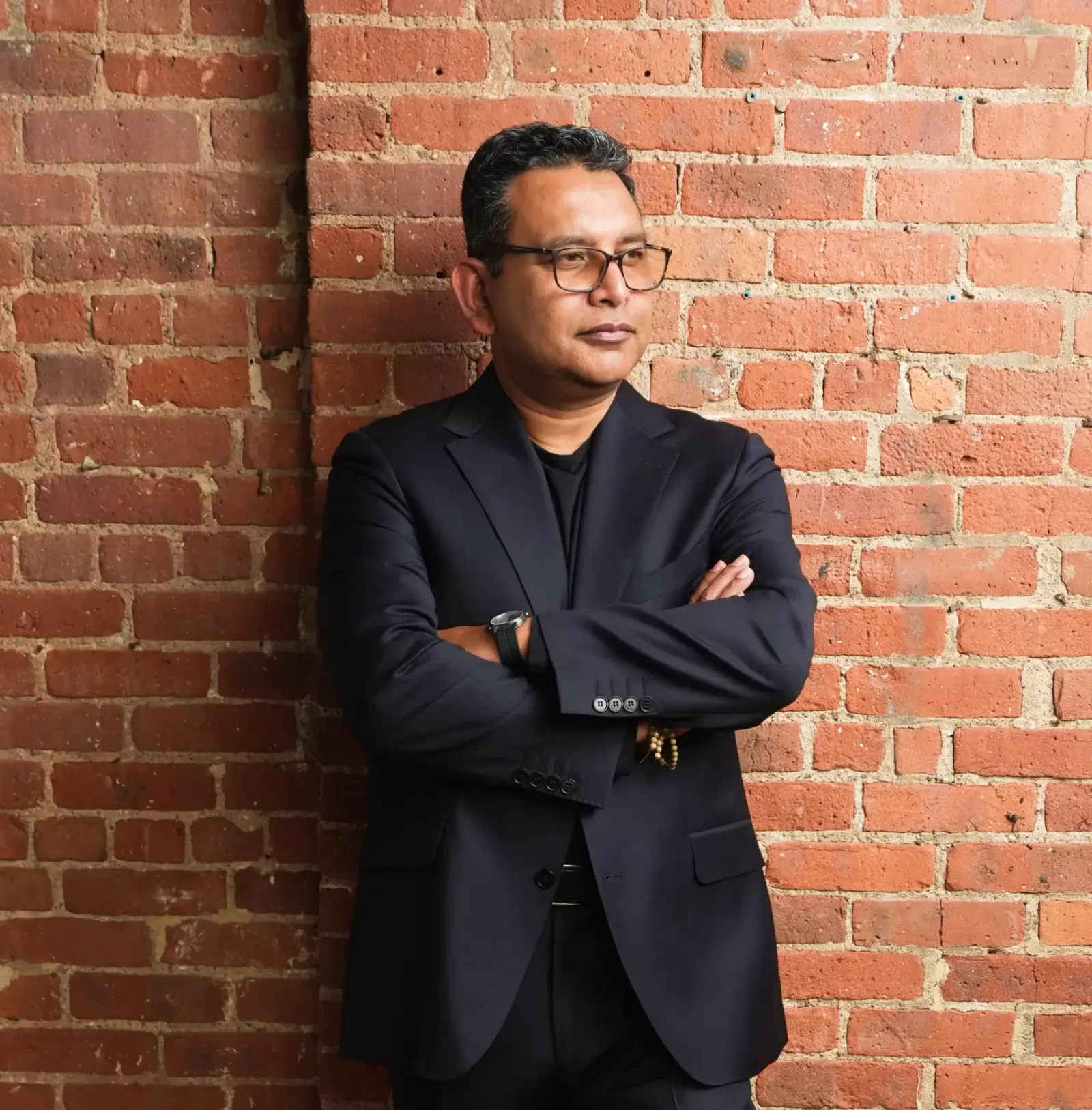
Faisal Hoque is the founder of SHADOKA and NextChapter, an Executive Fellow at IMD and the author of ten books, including the #1 Wall Street Journal bestseller Reinvent (2023) and Transcend (2025), a Financial Times book of the month. A three-time winner of Deloitte's Technology Fast 50 and Fast 500 awards, he has led innovation and transformation work for organizations including MasterCard, American Express, GE, PepsiCo, IBM and the U.S. Department of Defense, and serves as a transformation and innovation partner for CACI. He was shortlisted for the Thinkers50 Distinguished Achievement Award in 2023 and 2025.
Both bring decades of operational experience to the question. Davenport's research maps how organizations structure analytics and AI for return on investment. Hoque has built companies and steered transformation inside global corporations and government agencies. Their collaboration in HBR is not theoretical; it is the distillation of what they have seen work and what they have seen fail.
The stakes for boards and executive teams
The workforce question is not going away. Every board conversation about AI this fall will include some version of the efficiency debate, and many will include pressure to show cost savings quickly. The Hoque-Davenport-Scade framework offers leaders a way to reframe that conversation: not whether to change the workforce, but how to sequence the change so that it produces the outcomes AI is supposed to deliver.
The alternative is a wave of layoffs that accelerate in the short term and unravel in the medium term, as organizations discover that cutting headcount without redesigning work leaves them with neither the people nor the processes to compete. The August HBR piece is a public-facing version of the conversation Hoque and Davenport are having in boardrooms and leadership offsites, and it arrives at the moment when those decisions are being made.
Tom Davenport is exclusively represented by Stellant Group for keynotes, board sessions, and confidential advisory work with leadership teams redesigning work, upskilling employees, and structuring analytics and AI for greater return on investment. Faisal Hoque is exclusively represented by Stellant Group for keynotes, board sessions, and confidential advisory work with leadership teams adopting AI with the clarity, accountability and humanity it demands.


