
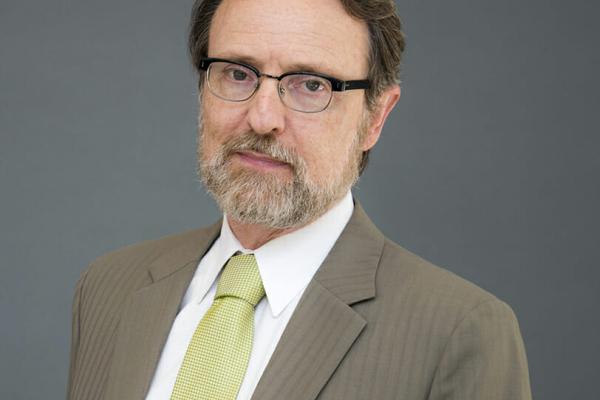
Peter Cappelli addressed two sides of the AI workforce debate in the same week. On Nov. 16, Fortune published “AI companies are putting technologists in charge of HR. A Wharton professor says that’s a mistake,” built around his warning. The next day, CFO Brew quoted him in “‘AI-related’ layoffs may not be all they appear,” saying there is “zero evidence” that AI is taking finance jobs.
The Fortune article reports that AI companies including OpenAI and Anthropic have put technologists and product operations leaders in charge of HR. Cappelli sees risk in that approach. “I think [organizations] are expecting that technologists will come in there and sprinkle some pixie dust, and then in a little while, all the problems will be gone,” Cappelli says. His concern is that technical expertise does not carry over to managing people. While researching Our Least Important Asset, Cappelli found that many executives are engineers by training and that companies have largely stopped offering the management development programs that once taught them how to lead. Engineers tend to treat problems as optimization exercises, he argues; applied to people, that mindset can favor cutting headcount over developing employees.
In CFO Brew, Cappelli addressed the wave of layoff announcements that cite AI as the cause. He cited a March 2026 National Bureau of Economic Research working paper, “Artificial Intelligence, Productivity, and the Workforce: Evidence from Corporate Executives,” based on a survey of about 750 corporate executives. The authors found “little evidence of near-term aggregate employment declines due to AI,” though larger companies anticipate AI-driven workforce reductions. Cappelli told the outlet that some of the AI-layoff rhetoric is “the kind of thing investors want to hear.”
Both pieces speak to the questions CHROs and CFOs are fielding on AI and headcount. “It doesn’t matter what is conceivable; it is what is practical,” Cappelli told CFO Brew. “And practical includes what is cost-effective.” AI “is making a difference in terms of productivity,” he said, but through a “messy” and often expensive process of redesigning work.
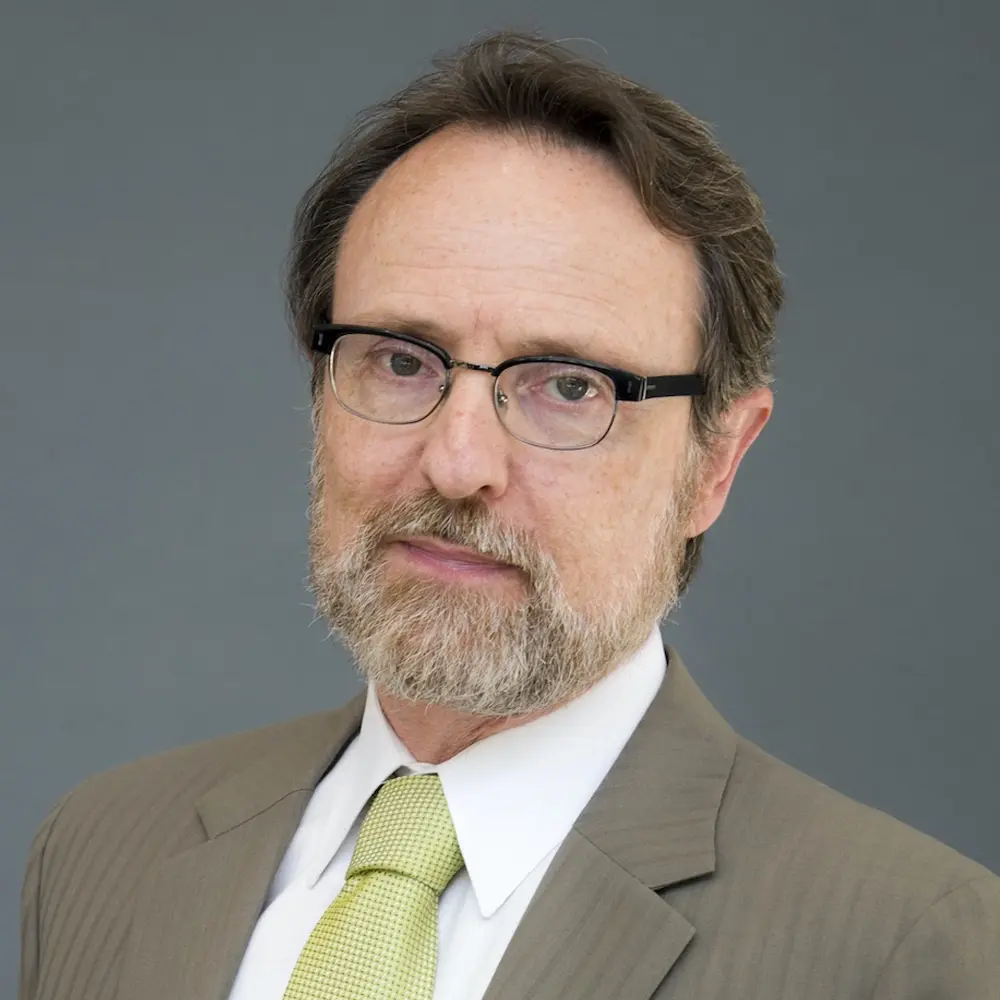
Cappelli is the George W. Taylor Professor of Management at The Wharton School and director of Wharton’s Center for Human Resources. His most recent book, Our Least Important Asset (2023), examines why the relentless focus on finance and accounting is bad for business and employees. He is also the author of The Future of the Office (2021).
Peter Cappelli is exclusively represented by Stellant Group for speaking engagements including keynotes, fireside chats and panel discussions with leadership teams thinking through workforce strategy, AI implementation and the hard decisions of managing talent in a technology-driven economy. For our consulting or advisory offerings, please reach out for a custom proposal.


