
A proposal for the republic's third century
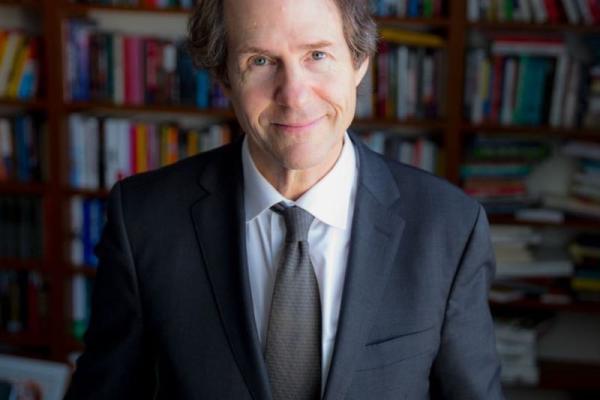
Cass Sunstein stood before a Brown University audience in September and made a case that most constitutional scholars avoid: that the United States should consider a deliberate refounding. Not a revolutionary break, but a structured process of constitutional redesign as the republic enters its 250th year. The lecture, now drawing attention in legal and governance circles, outlines seven specific steps—each grounded in comparative constitutional research and behavioral economics—that Sunstein argues could address structural defects the framers could not have foreseen.
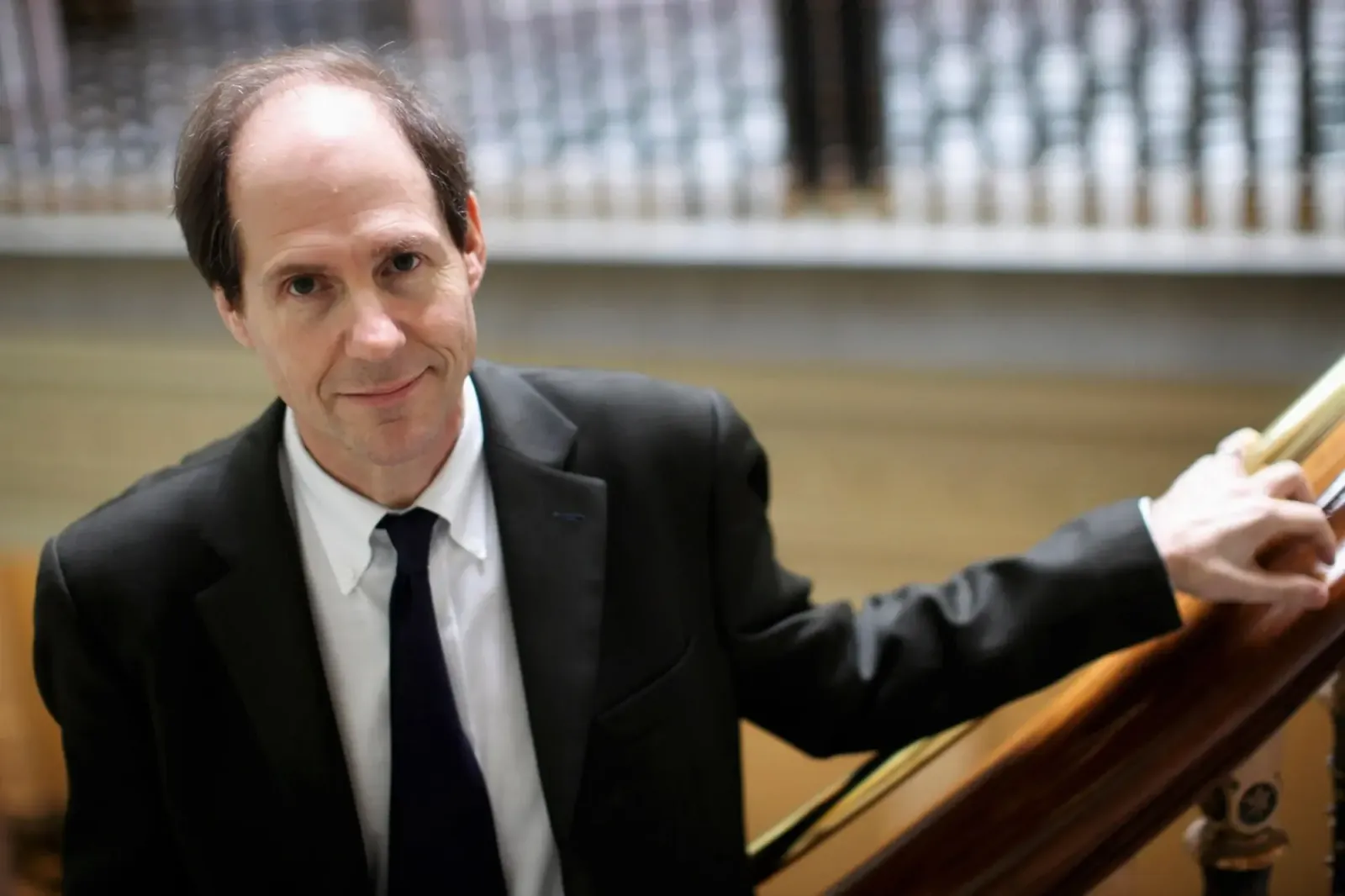
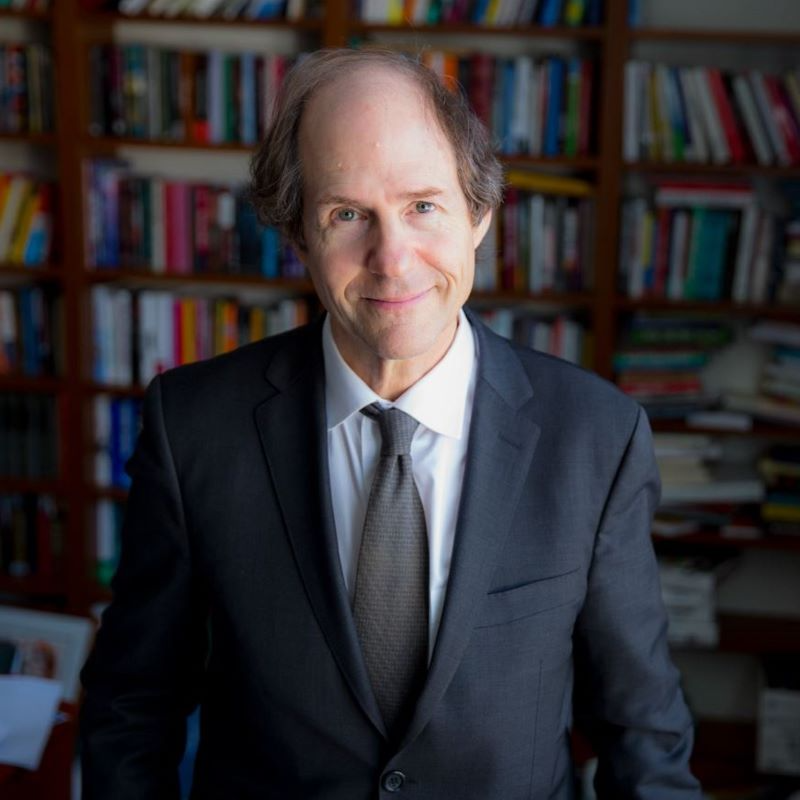
Sunstein is the Robert Walmsley University Professor at Harvard and founder of the Program on Behavioral Economics and Public Policy at Harvard Law School. From 2009 to 2012 he ran the White House Office of Information and Regulatory Affairs, the office that reviews every major federal regulation before it takes effect. He received the 2018 Holberg Prize from the government of Norway and has advised the United Nations, the European Commission, the World Bank, and governments worldwide on applying behavioral insights to public policy. He co-authored Nudge and Noise, and his recent books include Look Again, Imperfect Oracle, and On Liberalism. His forthcoming Separation of Powers: How to Preserve Liberty in Troubled Times arrives in 2026.
Why refounding, and why now
The 250th anniversary of American independence has put constitutional design back on the agenda of law schools, bar associations, and civic organizations. Sunstein's lecture reframes the conversation. Most anniversary programming treats the Constitution as a monument to be celebrated. Sunstein treats it as a working system that can be improved. "The framers themselves understood that constitutional structures should evolve," he said at Brown. "They built in an amendment process. What they didn't anticipate was how hard that process would become, or how the structures they designed would perform under conditions of mass polarization, algorithmic media, and global economic integration."
The seven steps Sunstein proposes are drawn from decades of research on how constitutions succeed and fail. He has studied the constitutional experiments of post-Soviet states, the European Union's governance architecture, and the iterative reforms of parliamentary democracies. The steps are not utopian. They are procedural, incremental, and designed to be adopted one at a time or as a package, depending on political conditions.
The behavioral case for refounding
Sunstein's work on behavioral economics underpins the proposal. He has spent decades studying how small changes in choice architecture—nudges—can shift behavior at scale. The same principles, he argues, apply to constitutional design. "A constitution is a nudge on a civilizational timescale," he said at Brown. "It makes certain decisions easy, others hard, and some nearly impossible. When the architecture no longer aligns with the problems a society faces, you get gridlock, polarization, and a loss of faith in democratic institutions."
He pointed to research showing that constitutional structures shape not just policy outcomes but the public's trust in government. Systems that allow periodic updating—without resorting to revolution—maintain higher levels of civic confidence. Systems that ossify invite radicalization.
What this means for leadership teams
Sunstein's argument is not confined to law professors and judges. Leadership teams in every sector are grappling with the question of when to preserve existing structures and when to redesign them. The seven-step framework applies to corporate governance, regulatory compliance, and organizational change. The questions are the same: How do we build in mechanisms for review? How do we resolve deadlock without destroying the institution? How do we convert informal norms into enforceable rules? How do we preserve legitimacy while adapting to new conditions?
For boards and C-suites navigating transformation in a volatile environment, Sunstein's case for constitutional refounding is also a case for intentional, structured change management. The alternative to deliberate redesign, he argues, is either stagnation or rupture.
Cass Sunstein is exclusively represented by Stellant Group for keynotes, board sessions, and confidential advisory work with leadership teams thinking through governance, behavioral change, and institutional design under conditions of uncertainty.


