
The question leadership teams are asking
What do you do when the referee becomes the contested ground?

Across media, telecommunications, and technology, general counsels and heads of strategy are working through a regulatory environment that looks less like a predictable compliance framework and more like contested terrain. The pressure is not hypothetical. It is live, public, and structural.
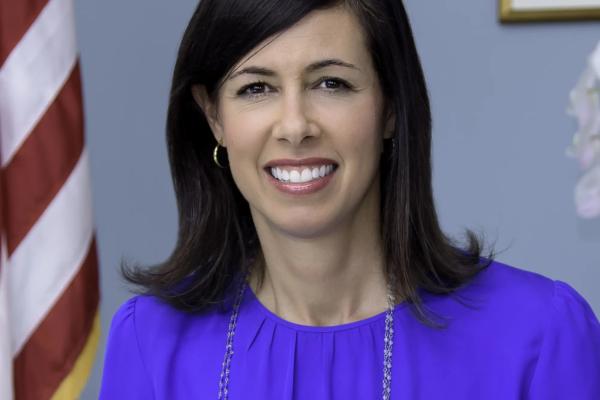
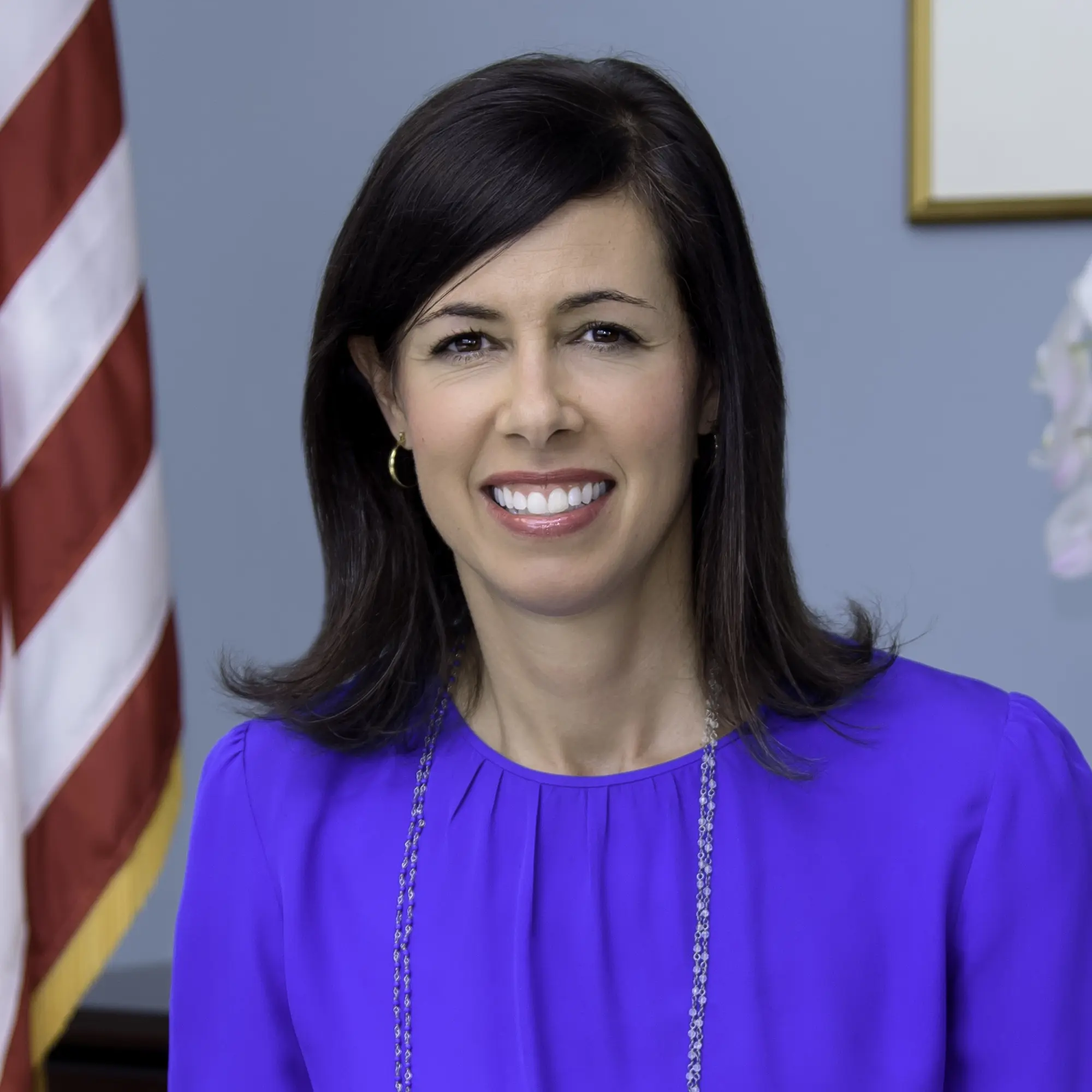
Jessica Rosenworcel, the former chair of the U.S. Federal Communications Commission and current executive director of the MIT Media Lab, addressed that question directly in a full-length conversation with Preet Bharara on CAFE's Stay Tuned podcast on August 27, 2025. The episode, titled "The Weaponization of the FCC," gave her a platform to speak at length about regulatory independence, political pressure, and what happens when an agency designed to operate above partisan cycles is pulled into one.
For organizations working through questions of spectrum allocation, broadband policy, media ownership, AI governance, or satellite connectivity, her account offers a rare on-the-record voice at a moment when the agency is at the center of a live First Amendment fight.
The record Rosenworcel built
Rosenworcel chaired the FCC during a period when the agency's portfolio expanded well beyond its traditional remit. She had a leading role in the nationwide transition to digital television, the expansion of broadband and emergency communications, and the establishment of a new Space Bureau. She launched the 988 text service for mental wellness, worked to close the homework gap for students without reliable internet access, and oversaw the FCC's $7.17 billion Emergency Connectivity Fund program.
Her tenure also included proposed cybersecurity rules in response to the Salt Typhoon telecom hack and a proposed overhaul of undersea cable security rules, the first since 2001. Before leading the FCC, she served as counsel for communications technology to the U.S. Senate Committee on Commerce, Science and Transportation.
POLITICO named her one of its 50 Politicos to Watch. The Verge included her on The Verge 50 list of people building the future. InStyle profiled her in a series celebrating women who "show up, speak up and get things done." In January 2026, she appeared at the World Economic Forum Annual Meeting in the session "Cyber Defenders in the Age of AI."
Now leading the MIT Media Lab, the country's premier tech development hub, Rosenworcel shows leaders how technology can restore human agency and harness innovation at scale to solve real-world problems. She argues that in uncertain times, hope and leadership must go hand in hand, making the case for "a little bit of excess optimism" at the top.
Why the Stay Tuned episode matters
The episode with Preet Bharara is notable not only for its length but for its timing. A former FCC chair speaking on the record about media policy while the agency is at the center of a contested First Amendment fight gives conference programmers and general counsels in media, telecom, and adjacent sectors a rare resource: someone who has run the institution, understands its operating logic, and is willing to name what she sees.
Rosenworcel's account is grounded in the institutional history of the FCC as an independent agency, a structure designed to insulate decision-making from political cycles. When that insulation erodes, the question is not just regulatory, it is strategic. Organizations that depend on predictable spectrum policy, content regulation, or infrastructure investment face a different risk profile when the agency that writes the rules is under sustained political pressure.
For leadership teams building long-term capital plans around satellite connectivity, broadband deployment, or media distribution, her perspective helps frame the second-order questions: What does independence mean when it is contested? What do you plan for when the rules of the game are up for debate? How do you maintain operational clarity when the regulatory environment is in flux?
The second conversation
Rosenworcel's work at the MIT Media Lab extends her focus on how organizations prepare for technology that is already moving faster than policy can track. In presentations, workshops, and advisory sessions, she walks leadership teams through what is coming next in AI, robotics, wearable computing, connectivity, cybersecurity, and space infrastructure. The question is not just what the technology will do, but what organizations need to build today to be ready for it.
Her argument is that leaders cannot wait for clarity. Regulatory frameworks will lag. Political cycles will distort. The organizations that will shape the next decade are the ones that move now, with enough optimism to act and enough rigor to know what they are building toward.
That combination of institutional knowledge, regulatory experience, and forward orientation is why her work lands in boardrooms and strategy sessions, not just policy panels.
Jessica Rosenworcel is exclusively represented by Stellant Group for keynotes, board sessions, and confidential advisory work with leadership teams navigating regulatory risk, AI governance, connectivity strategy, and technology policy in a contested environment.


