
Most climate economists can tell you what the inflation reduction act does. Leah stokes can tell you how it got built.
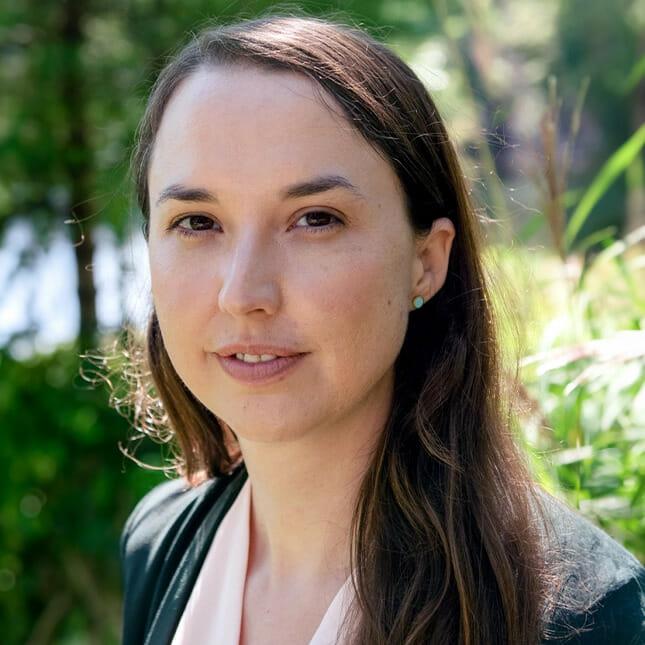
On September 1, Stokes published The Carbon Wave with MIT Press, a first-person account of the path from the Green New Deal to the August 2022 passage of the largest climate investment in U.S. history. The book documents the legislative engineering behind $369 billion in clean-energy subsidies, tax credits, and industrial policy, and what survived the rollback when the original framework collapsed. For boards and leadership teams navigating IRA implementation, industrial decarbonization, or the political risk around electrification incentives, the book is the map of how the thing actually works and who built it.
Stokes is the Anton Vonk Associate Professor of Environmental Politics at the University of California, Santa Barbara. Her 2020 book Short Circuiting Policy documented how utility companies promoted climate-change denial and blocked clean-energy initiatives; it was named Best Energy Book of 2020 by the American Energy Society and listed among the top five climate books of that year by The New York Times. The Carbon Wave shifts the lens from obstruction to construction: how a grassroots climate movement, a narrow Democratic majority, and a set of targeted policy instruments turned political momentum into law.
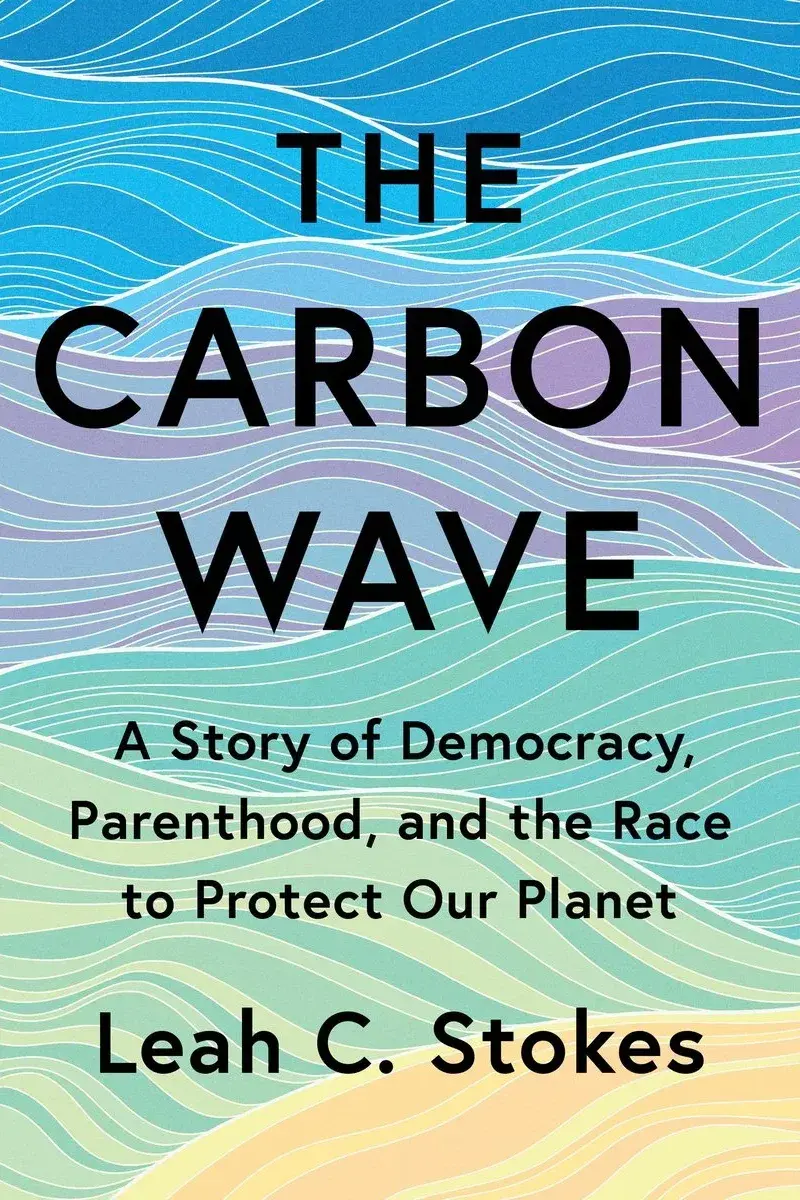
The Carbon Wave: A Story of Democracy, Parenthood, and the Race to Protect Our Planet
What the book does for a corporate audience
The Inflation Reduction Act reshaped capital allocation in manufacturing, utilities, transportation, and real estate. But the policy is complex, the incentives are layered, and the political durability is contested. Stokes wrote The Carbon Wave as both a policy history and a strategic guide for leaders who need to understand not just what the law says, but how it was built, who fought for which provisions, and where the fault lines are.
For CHROs and heads of strategy at industrial firms, the book explains how workforce provisions, domestic-content requirements, and prevailing-wage rules became conditions for subsidy access. For CFOs evaluating clean-energy investment, it clarifies how the tax-credit architecture works and which credits are transferable. For GCs and government-affairs teams, it offers a legislative autopsy that shows what amendments survived, what got stripped, and which coalitions held.
Stokes has testified before the U.S. Congress on clean energy and electrification, advised policymakers at the federal and state levels, and served as a fellow at the Harvard Radcliffe Institute in 2023–2024. She is a senior policy advisor at Copper and co-hosts A Matter of Degrees, a climate podcast with more than 700,000 downloads. She was named to the 2022 TIME100 Next list and received the 2024 Schneider Award for Outstanding Science Communication.
The launch circuit and what comes next
Stokes opened the book tour on the season-five premiere of A Matter of Degrees, an episode titled "Climate hushing, EVs and creating 'The Carbon Wave," with Leah Stokes." On September 10, Live Science published a feature on the grassroots climate movement that tied the book's narrative to the organizing work that shaped the IRA's design. Book-tour dates continue through October, including appearances at the University of Toronto and Berkeley.
For organizations trying to translate the IRA into capital-deployment decisions, workforce strategy, or supply-chain repositioning, the book offers something most policy briefs do not: the story of how competing interests were reconciled, how provisions were protected, and what the drafters believed would hold. That context matters when a leadership team is deciding whether to build a new facility, retool a plant, or commit capital to electrification infrastructure that depends on subsidies that may or may not survive the next Congress.
The research foundation
Stokes's academic work on energy policy appears in American Political Science Review, American Journal of Political Science, Nature Energy, and Environmental Science & Technology. Her research shows that electrification can cut 75 percent of carbon emissions while saving lives, strengthening the economy, and increasing grid resilience. That research underpins the policy arguments in The Carbon Wave and the advisory work she does with organizations implementing decarbonization strategies.
Her 2020 book Short Circuiting Policy received three awards from the American Political Science Association and documented the utilities' campaign against renewable standards. The Carbon Wave is the sequel to that story: what happens when the resistance loses and a policy window opens. The question for corporate leaders is whether they understand the policy well enough to move capital through that window before it closes.
Leah Stokes is exclusively represented by Stellant Group for keynotes, board sessions, and confidential advisory work with leadership teams implementing decarbonization strategies, evaluating IRA incentives, and building climate-policy fluency at the executive level.


