

Watch Malte in Action
About Malte Jung
What makes a team truly great in the era of AI? Malte Jung has built his research career on that question. "As we integrate AI into our workplaces, it's not just changing how we interact with machines. It's changing how we interact with each other," he explains. "We're only just beginning to understand the social costs and consequences these technologies bring."
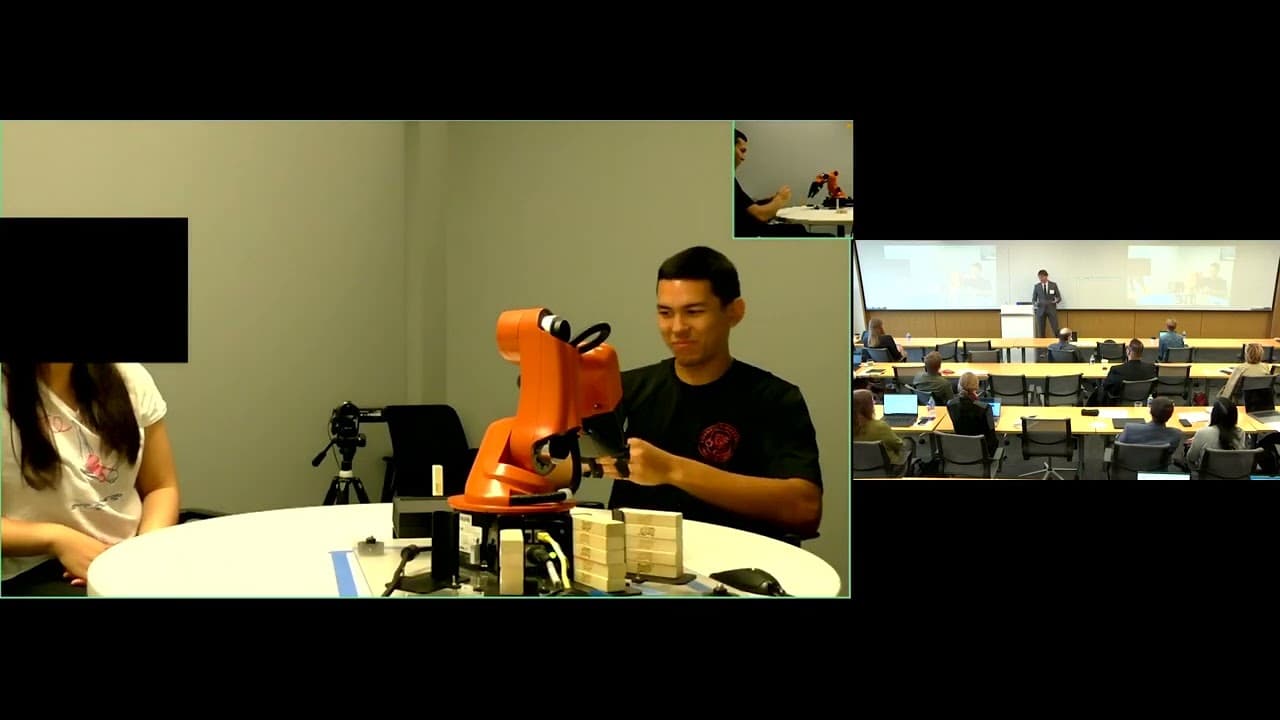
His research spans operating rooms, hospitality, manufacturing floors and even Major League Baseball, examining how machines from surgical robots to smart speakers reshape communication patterns, trust and emotional labor within groups. His approach is grounded in a surprising insight: the same emotional patterns that can predict divorce can also predict performance breakdowns in engineering teams.
Malte's Keynote Topics
Why do some social robots fail while others become cultural icons? Sophisticated machines like Jibo, Anki, and Kuri vanished from the U.S. market, yet robots such as Aibo, RoBoHoN, and Lovot continue to thrive in Japan. This challenges the widely held assumption that robot success comes from better hardware, smarter algorithms, or more expressive design. Cornell University professor Malte Jung, Ph.D., makes a different case: he argues that K-pop can help us understand how we might transform machines into social entities people want to live with and what it means for any company designing AI-enabled products today. Drawing from insights developed over a multi-year research project on Japanese companion robots, he shows that robots don’t succeed because of their technical sophistication. They succeed because they are enculturated – raised inside rich social ecosystems that give them meaning. He found that Japanese companies understand this intuitively. Rather than marketing robots as consumer electronics, they treat them like brands, characters, or beloved pets. They follow a playbook akin to the K-pop industry: building narratives, rituals, fan communities, events and care infrastructures around each robot. Thus, companion robots succeed in Japan not because Japanese culture uniquely “loves robots,” but because Japanese companies actively create the conditions that allow robots to become lovable.
Not all robots look like robots – your sliding door, smart speaker and even coffee maker may already be using robotic technology, and the way you interact with them can impact how you interact with others. As AI quietly integrates into the workplace through tools, devices and systems, their design increasingly affects not just the user experience but the way entire teams interact. Malte Jung, Ph.D., Cornell University professor and founder and leader of InterPlay Research Studio, invites audiences to rethink robotics and AI design from a team-centered perspective. Drawing on his extensive design engineering background, he offers a strategic framework for developing and implementing intelligent machines that support collaboration, cohesion and workplace culture. Using vivid examples, he illustrates the subtle but impactful ways machines shape human interaction and unveils a methodology for better designing technologies that support sustainable, effective and healthy team environments. Participants walk away with design principles and evaluative questions to help them select, shape and implement AI tools that strengthen human connection and performance.
As organizations integrate AI, robotics and other intelligent systems into their workflows, the focus is often on usability and efficiency. But what about the effects this tech can have on the social fabric of the teams that use them? Drawing on years of immersive field research, from surgical teams to hospitality and manufacturing, Cornell University professor and fellow Malte Jung, Ph.D., reveals how intelligent machines reshape communication patterns, trust and emotional labor within groups of all types. Optimistic and energizing, he shows leaders how to anticipate and mitigate the hidden social costs of automation and, more importantly, how to design environments where human-robot collaboration makes teams stronger, and more innovative and resilient. Audiences will leave with tools to evaluate the emotional and relational impacts of intelligent machines, and practical strategies for ensuring technology enhances, rather than disrupts, team cohesion and effectiveness.
The best teams share more than skills — they share healthy emotional and relational dynamics that enable team members to perform at their best. According to groundbreaking research by Cornell University professor and team dynamics expert Malte Jung, Ph.D., the same emotional patterns that predict divorce can also be used to anticipate performance breakdowns in engineering teams. In this eye-opening talk, he reveals how AI tools and robotics can alter these dynamics in unexpected ways. He helps leaders understand how to preserve creativity, constructive conflict and psychological safety while adopting advanced technologies, ensuring that “future-ready” teams are also healthy, adaptable and high-performing. Leaders exit with a fresh, research-backed understanding of team dynamics, along with a framework for building emotionally intelligent teams that are better enabled to thrive under complexity.
Malte in the Media

People, Not Design Features, Make a Robot Social

Containing Big Tech
Tetris Reveals How People Respond to Unfair AI
The Social Consequences of Using AI in Conversations

AI as Mediator: ‘Smart’ Replies Might Help Humans Communicate
Study Explores How Robots in the Operating Room Impact Teamwork
How Malte Works with Organizations
Each engagement is built around your goals and audience.
01 · WORKSHOPDesigning AI-Ready Teams: A Hands-On Approach to Collaboration in the Machine Age
This immersive workshop equips leaders and teams with the mindset, skills, and strategies needed to thrive alongside intelligent machines. Guided by Malte Jung, Ph.D., participants will: Analyze real-world cases from Jung’s field research to identify how AI and robotics can unintentionally disrupt team dynamics. Map their own team’s social health, pinpointing potential friction points as new technologies are introduced. Engage in design exercises to prototype workplace changes – from physical environments to communication protocols – that promote creativity, cohesion, and resilience. Leave with a tailored action plan for implementing AI and robotics without sacrificing the human connections that drive performance. By the end, participants will not only understand the challenges of human-robot teaming but will have actionable strategies to turn them into opportunities for innovation and stronger collaboration.
Bring Malte to your next event
Tell us about your event and we will be in touch right away.


