
The alarm stage
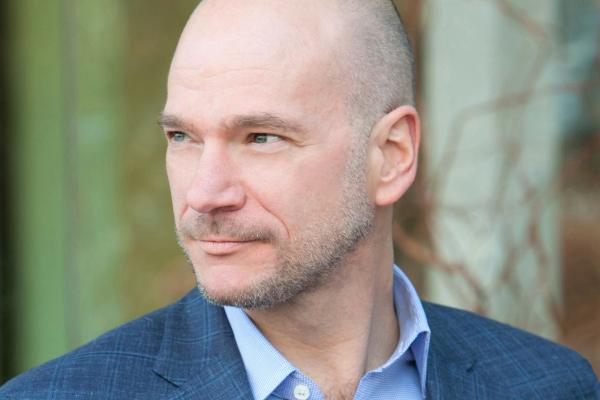
The loudest voices in the AI debate right now belong to the people warning that the technology poses an existential threat. That framing reached its largest audience yet on September 17, when Andrew McAfee joined three other guests for The Diary of a CEO's The Great AI Debate: Is Artificial Intelligence an Extinction Threat? Two days earlier, McKinsey Global Institute had released a video conversation with McAfee titled Andrew McAfee on AI, jobs, and 'permissionless innovation', in which he laid out the opposing argument: innovation without upstream permission has historically generated wealth and employment despite short-term disruption, and the greater risk is slowing it down.
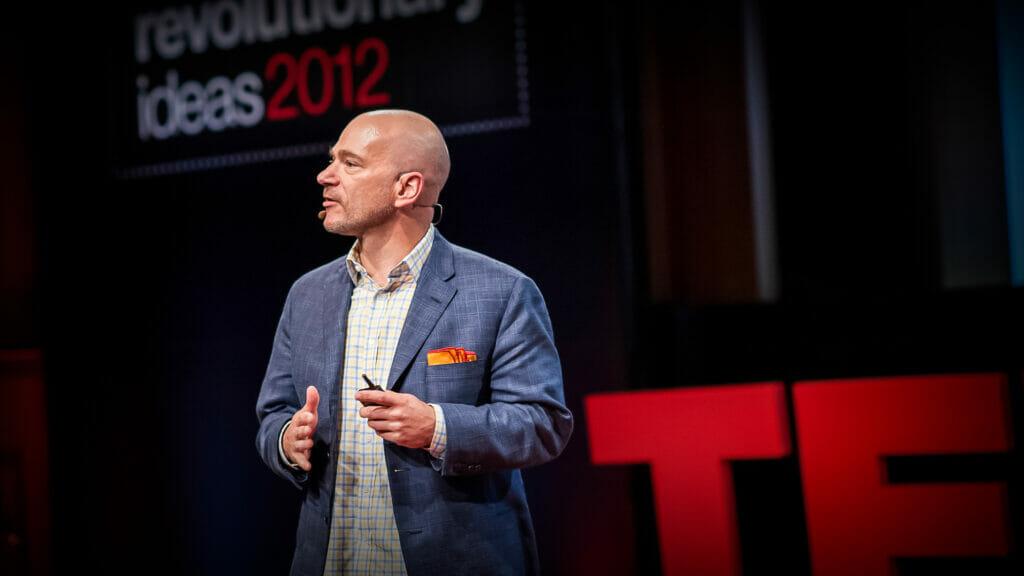
McAfee is a principal research scientist at the MIT Sloan School of Management, co-founder and co-director of the MIT Initiative on the Digital Economy, and the inaugural visiting fellow at Google Technology and Society. A six-time Thinkers50 honoree, he has spent more than a quarter century studying how digital technologies change economies, business models, work and the environment. With Erik Brynjolfsson, he co-authored the New York Times bestsellers The Second Machine Age and Machine, Platform, Crowd, both of which traced how technological progress reshapes societies, industries and businesses. His latest book, The Geek Way, was named one of The Economist's best books of 2023.
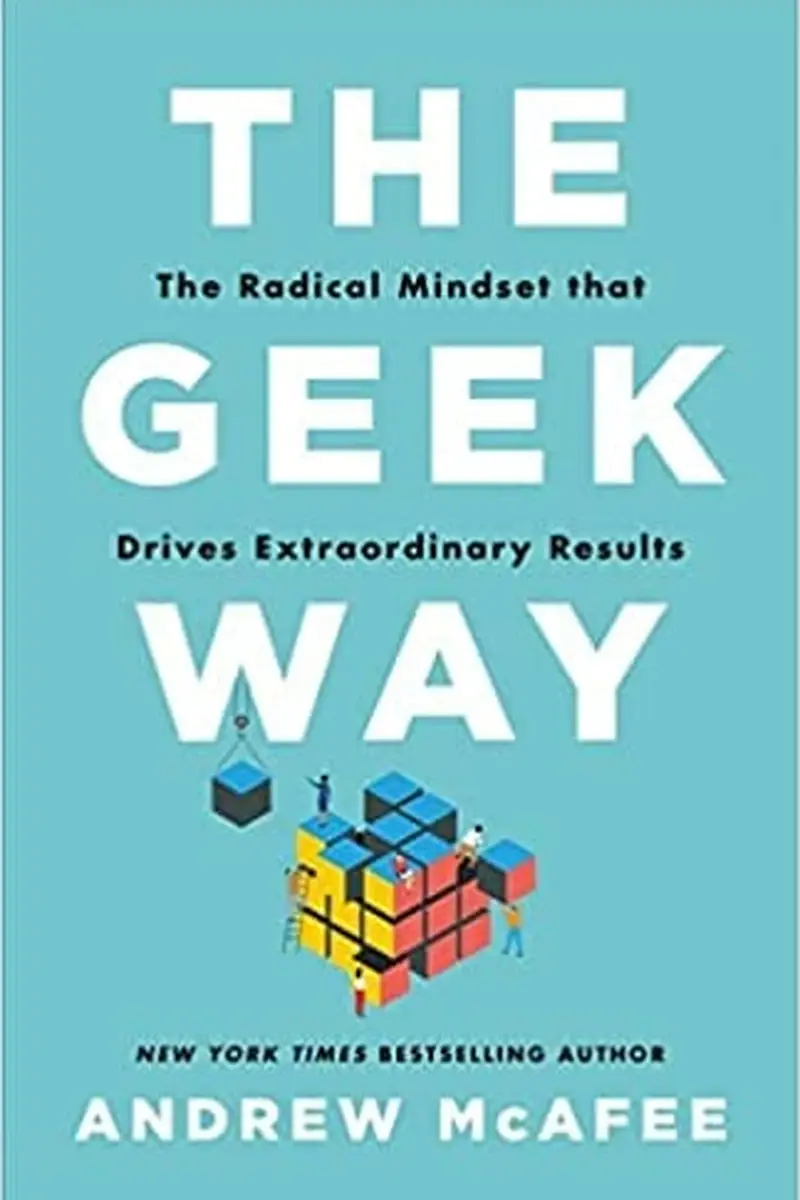
The Geek Way: The Radical Mindset that Drives Extraordinary Results
The core argument
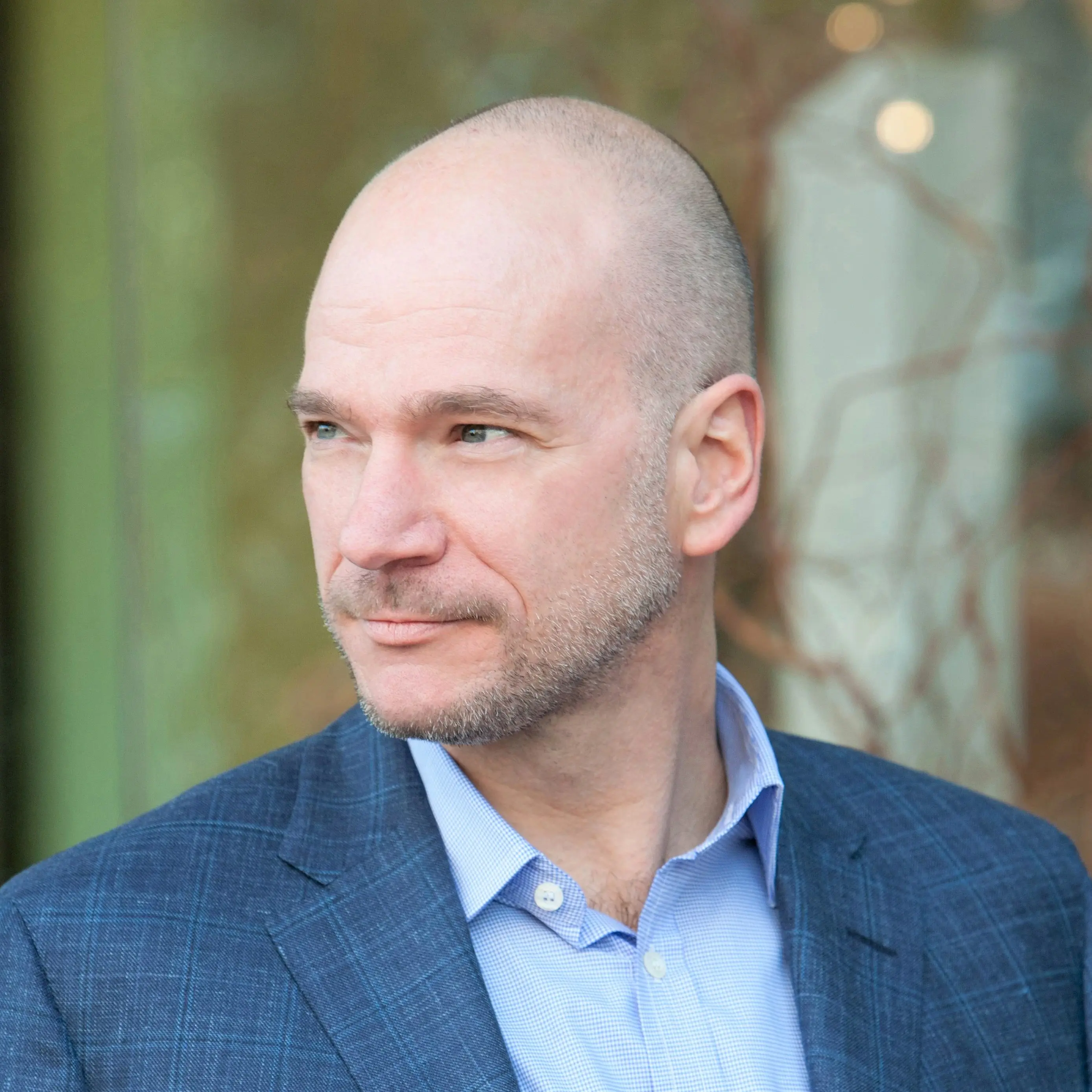
McAfee's position is not that AI carries no risk. It is that the historical record favors moving fast. Permissionless innovation, the principle that new technologies should be allowed to develop and deploy without preemptive regulatory approval, has been the engine of economic growth in the modern era. The alternative, requiring inventors and entrepreneurs to seek permission before building or deploying a new tool, has consistently led to stagnation.
In the McKinsey conversation, McAfee argues that AI will follow the same pattern as earlier waves of automation and digitization: short-term displacement, long-term job creation, and net gains in productivity and living standards. The companies and economies that move fastest, he contends, will be the ones that capture the benefits. The ones that wait for consensus, or demand that every risk be eliminated before deployment, will fall behind.
That argument puts him on the opposite side of the debate from the researchers and executives who have called for pauses, moratoria, or heavy-handed regulation. It also makes him the named voice for continued innovation on the largest stage the debate has reached so far.
Why buyers should care
Most conferences and board retreats on AI right now are structured around a single question: how worried should we be? The problem is that the conversation skews heavily toward alarm. The existential-risk case gets more airtime, more social-media amplification, and more celebrity endorsements. The result is that decision makers hear one side of the argument in high fidelity and the other side in fragments.
McAfee offers a way to correct that imbalance. He is not a generalist moderator or a journalist summarizing both sides. He is a researcher with decades of published work on technological change, a track record of accurate predictions about digitization and automation, and a clear, evidence-based argument for why the benefits of AI will outweigh the costs if we let the technology develop. Buyers who want both sides of the argument in one program now have a speaker for the other side.
His work is particularly valuable to decision makers at financial institutions, manufacturers, health care organizations, and government agencies preparing for AI's next impacts. In keynotes, executive education workshops, and advisory meetings, he helps leadership teams separate the signal from the noise: which risks are real, which are speculative, and how to build the kind of fast-moving, evidence-driven culture that wins with new technology. As he documents in The Geek Way, generative AI will further differentiate the companies that are set up to succeed with technology from those that are not. Conventional wisdom says easy-to-access AI is a competitive leveler. McAfee's research shows the opposite: it rewards organizations that can move fast, test constantly, and operate on science rather than hierarchy.
The stakes for leadership teams
The AI-risk debate is not an academic exercise. The regulatory frameworks being debated right now, in the United States, the European Union, and China, will determine which companies and which economies lead the next wave of technological progress. If the alarm wins and the default becomes precaution, the innovation will happen somewhere else. If permissionless innovation remains the norm, the question becomes: which organizations have the culture to capitalize on it?
McAfee has written for Foreign Affairs, Harvard Business Review, The Economist, The Wall Street Journal, and The New York Times. He has discussed his work on CNN and 60 Minutes, at the World Economic Forum, TED, and the Aspen Ideas Festival, and in conversation with Tom Friedman, Fareed Zakaria, and Andrew Ross Sorkin. He and Brynjolfsson are the only people named to both the Thinkers50 list of the world's top management thinkers and the Politico 50.
Andrew McAfee is exclusively represented by Stellant Group for keynotes, board sessions, and confidential advisory work with leadership teams building the fast-moving, evidence-driven cultures that win with AI and other disruptive technologies.


