

Elizabeth Dunn and Jiaying Zhao co-authored Uproar is growing over an environmental threat smaller than an almond in The Washington Post on Nov. 3, quantifying the environmental cost of AI chatbot use and arguing that public concern has wildly outpaced the actual impact.
The op-ed reports that the median chatbot query uses about as much electricity as running a microwave for one second, and asking 100 questions is roughly equivalent to heating up a burrito. Americans surveyed in 2025 said they were more concerned about the environmental costs of AI than those of air travel, even though a user would have to send a chatbot over 6 million messages to equal the greenhouse gas emissions of a round-trip economy flight from New York to London. On water use, the piece notes that many data centers are rapidly shifting to closed-loop systems, and a user would have to ask a chatbot at least 700 questions to equal the water required to grow a single California almond.
Dunn and Zhao attribute the mismatch to early opacity from tech companies and general apprehension about AI, particularly among young adults. They argue that shaming everyday behaviors is counterproductive, and that even people who care about climate change often misunderstand which actions make a difference. The op-ed closes with a call for individuals to move their money to environmentally friendly banks and for AI companies to invest in clean energy sources, citing the BeYONCE principle (Bring Your Own New Clean Energy) that some states are requiring of data center builders.
About the speakers
Elizabeth Dunn is a professor in the Department of Psychology at the University of British Columbia, where she leads the Social Cognition and Emotion Lab and conducts experimental research on how time, money and technology shape human happiness. Jiaying Zhao, Ph.D., is a professor in the Department of Psychology and the Institute for Resources, Environment and Sustainability at the University of British Columbia, where she founded and directs the Behavioral Sustainability Lab. Together they co-authored Leave the Lights On: How Joyful Decisions Can Save Our Species (Avery, 2026), which argues that the most effective climate actions can also increase happiness.
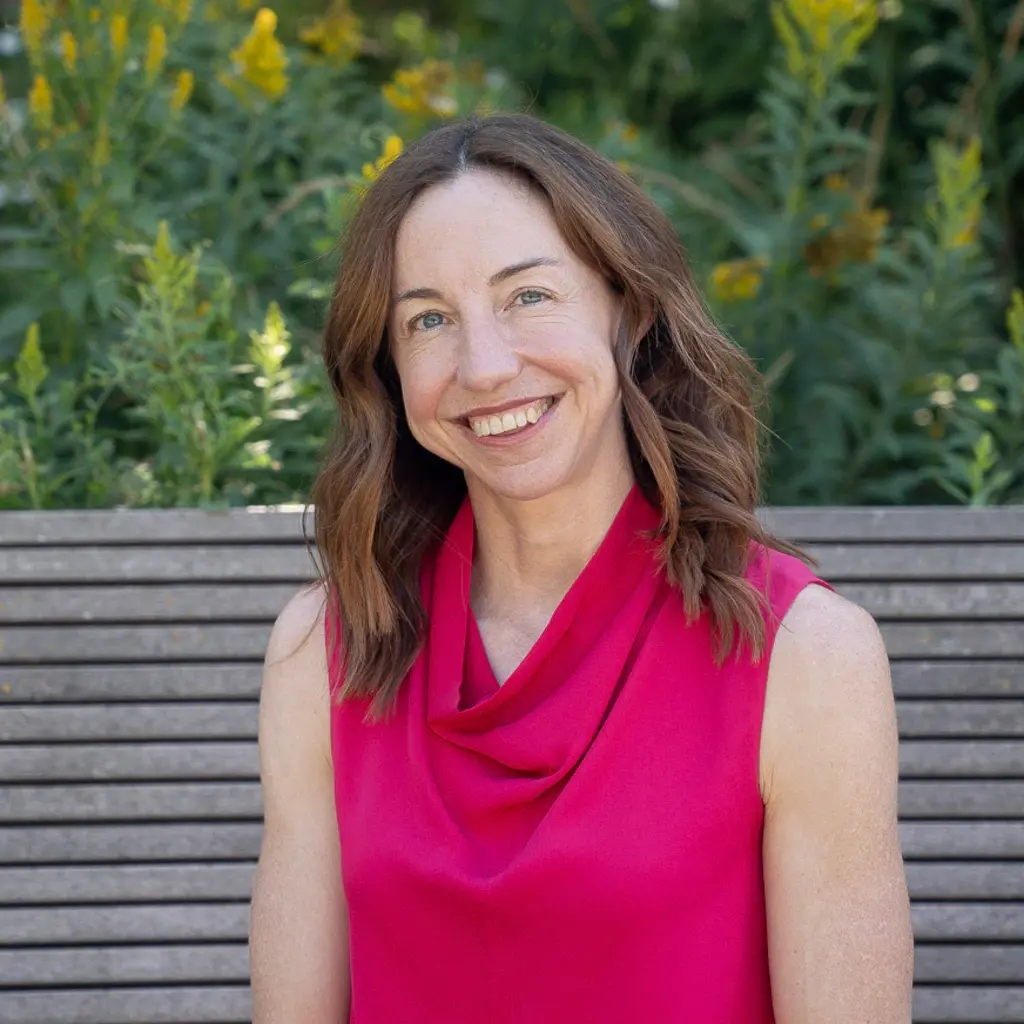

Elizabeth Dunn and Jiaying Zhao are each exclusively represented by Stellant Group for speaking engagements including keynotes, fireside chats and panel discussions with leadership teams thinking through how to make sustainable choices easier, more credible and better for employees and customers. For our consulting or advisory offerings, please reach out for a custom proposal.


