

Watch Raffaella in Action
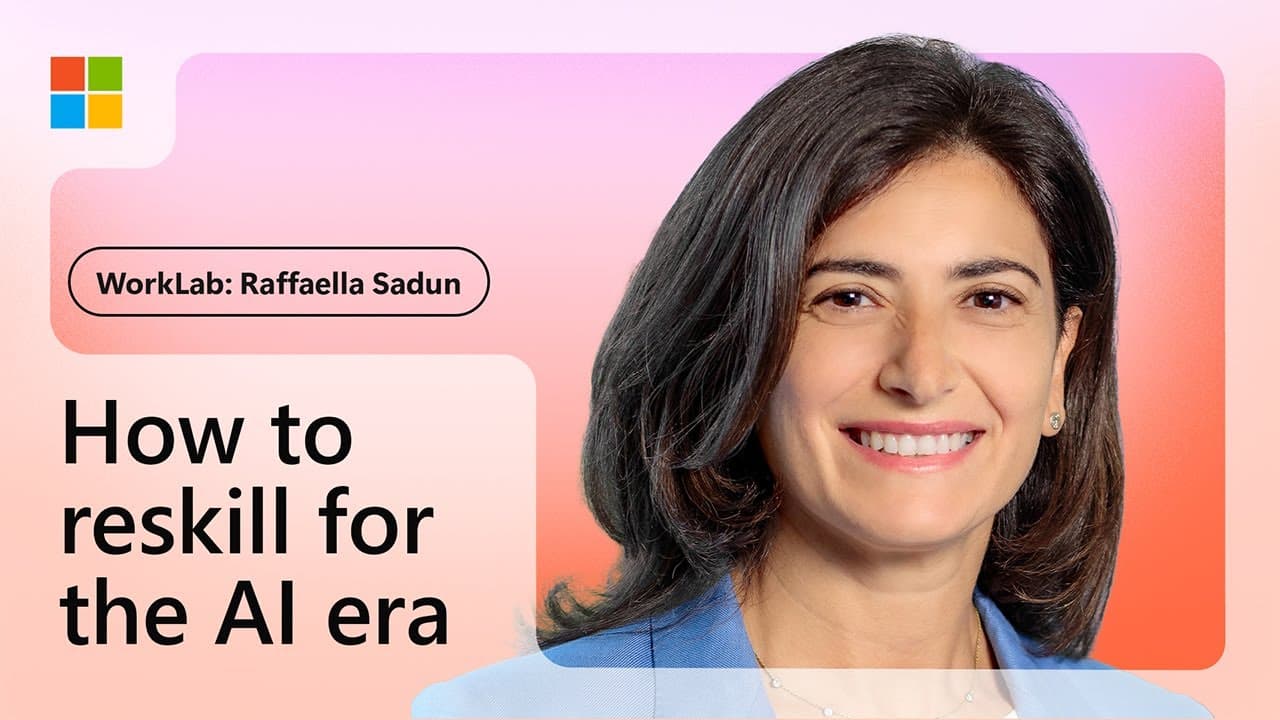


About Raffaella Sadun
Why are some organizations so much better at basic management than others? Raffaella Sadun, Ph.D., has built her career on that question. "Basic management can create a competitive advantage for the companies that take it seriously," she explains. "My research has shown that management practices vary quite a lot within industries and around the world, and that companies with good management are significantly more profitable."
Sadun co-founded several large-scale projects to measure managerial behavior, including MOPS-H, the first large-scale management survey in hospitals, conducted in partnership with the US Census Bureau. Her findings are concrete: moving a firm from the worst 10 percent to the best 10 percent of management practices is associated with a $15 million increase in profits, 25 percent faster annual growth and 75 percent higher productivity.
Raffaella's Keynote Topics
During uncertain times, organizations may find their workforce is more resistant to new learning, reskilling, or any other changes than they were previously. What companies are successfully navigating the challenges of change management around the world? Renowned Harvard Business School (HBS) professor and organizational economist Raffaella Sadun’s passion for management has led her to co-found numerous large-scale projects to measure managerial behavior and how it impacts public and private enterprises around the world. Drawing on her deep expertise in organizational dynamics, Sadun unpacks the complexities of overcoming friction and barriers to change. From conflicts with unions in Europe to building coalitions with unions in India, Sadun offers practical strategies for making flexibility appealing to individuals and driving meaningful change. Her groundbreaking research, which she shares with executives as the Faculty Chair of the Strategy Unit Executive Education Program at HBS, provides a window into reskilling efforts in different institutional contexts, including interviews with automotive companies in across the world. Sadun’s compelling analysis and practical solutions for transforming challenges into opportunities and driving positive change provides valuable guidance for leaders and executives seeking to thrive and become more resilient in today’s fast-paced business landscape.
In today’s dynamic business landscape, the key to achieving lasting success, according to Raffaella Sadun, renowned organizational economist and professor of Business Administration at Harvard Business School, rests in the effective integration of leadership, culture and strategy. Together, these elements play a pivotal role in the functioning of public and private organizations, often more so than any other factor. A fascinating researcher whose award-winning work earned her a place on the Thinkers50 Radar list in 2023, Sadun’s unique blend of data-driven analysis, big-picture thinking and strategic reskilling helps organizations understand how to bring leadership, culture and strategy together for transformative changes. The Faculty Chair of the Strategy Unit Executive Education Program at Harvard Business School, Sadun’s work has demonstrated that achieving operational excellence requires a fundamental shift in mentality and a profound commitment from top leadership. She highlights the pivotal role of managers in shaping the culture, performance and outcomes of their teams and organizations. By leveraging data-driven approaches and enabling managers to learn and leverage new skills, Sadun helps businesses harness the power of proven management practices to drive positive cultural change and achieve long-term success.
In the quickly evolving age of AI, businesses face a significant challenge: integrating groundbreaking technology without sidelining their workforce. In a compelling article in Harvard Business Review, international reskilling expert Raffaella Sadun emphasizes that a firm’s response to AI is what ultimately determines its success. A distinguished Harvard Business School professor featured on the 2023 Thinker’s 50 Radar list, Sadun explains that leaders must connect AI to both their overarching corporate vision and individual employee development. This demonstrates to their workforce that the goal is not merely about tech adoption but about crafting a resilient, adaptable team. A dynamic speaker, Sadun provides an actionable roadmap on reskilling and workforce strategy, ensuring AI becomes an asset and not a threat.
Aligning reskilling with strategy has become crucial for organizations to thrive and adapt to changing times. But how can you ensure everyone in your organization is actively on board in the reskilling process? According to Harvard Business School professor and organizational economist Raffaella Sadun, by giving employees a big-picture view of how their reskilling efforts contribute to the organization’s goals, they become more engaged, productive and purposeful. At the Digital Reskilling Lab at HBS, where Sadun is co-leader, she studies the effectiveness of the extensive digital training investments made in the private and public sector. She’s found that by providing a clear business outcome for why employees are learning new skills, organizations can create programs that foster willingness to embrace challenges and adapt to changing circumstances. Her research, which earned her a place on the Thinkers50 Radar in 2023, demonstrates why these practices are essential for organizations adopting new technology, experiencing layoffs or staffing changes, or adapting to other unpredictable situations. Forthright and able to break down her research into easy-to understand and actionable roadmaps, Sadun’s approach supports organizations in reskilling efforts that build a workforce that can successfully navigate rapid changes and achieve their goals.
Articles by Raffaella Sadun
CEOs and Firm Performance
March 2023University of Chicago, Becker Friedman Institute for EconomicsRemote Work Across Jobs, Companies, and Space
2023Humanities and Social Science CommunicationsThe Impact of Covid-19 On Digital Communication Patterns
2022Human-Computer InteractionHow Does Working From Home During Covid-19 Affect What Managers Do? Evidence From Time-Use Studies
2021National Bureau of Economic ResearchThe World Management Survey at 18: Lessons and the Way Forward
2021Oxford Review of Economic PolicyThe World Management Survey at 18: Lessons and the Way Forward
2021American Economic Journal: Applied EconomicsTurbulence, Firm Decentralization and Growth in Bad Times
2021Harvard Business ReviewHow Hospitals Can Manage Supply Shortages as Demand Surges
April 2020Harvard Business ReviewLessons from Italy's Response to Coronavirus
March 2020Journal of Political EconomyCEO Behavior and Firm Performance
2020American Economic AssociationMeasuring Collaboration in Modern Organizations
2020Raffaella in the Media

Why AI hasn’t triggered mass layoffs — yet
Survey of young researchers raises concerns over future of science in U.S.

If No One’s Complaining About AI, You’re Doing It Wrong

Exploring Regional Growth and Innovation in Israel

A Systematic Approach to Experimenting With Gen AI
When AI Joins the Team, Better Ideas Surface
The 'Secret Ingredient' for Effective Training: Middle Managers
How Firms Spread Good Management
‘Misfits’ in Power: When a Company Needs a Leader CEO, But Gets a Manager
What’s the Future of Middle Management?

Reskilling the Workforce With AI: Harvard Business School’s Raffaella Sadun
What We Learned in Three Charts: Digital Divide and Remote Work
Bring Raffaella to your next event
Tell us about your event and we will be in touch right away.


