
Reorganizations, layoffs, AI rollouts and leadership changes all draw on the same account, and most organizations are drawing on it faster than they refill it. Leaders who understand how trust is built, lost and regained can move quickly without spending it down.
The Trust Account
Trust is the belief that an organization will act in your interest even when it could act otherwise. It is built slowly, through repeated evidence, and lost quickly, through a single decision that reads as self-serving. Rapid change stresses it in both directions: every restructuring is a decision the organization could have made differently, and people watch closely how it is made.
Sandra Sucher's research at Harvard Business School, set out in The Power of Trust, describes trust as something people judge along several dimensions at once: whether the organization is competent, whether its motives are sound, whether the means it uses are fair, and whether it takes responsibility for its impact. A change program can score well on competence and still lose trust on means, when the process is opaque or the burden lands unevenly.
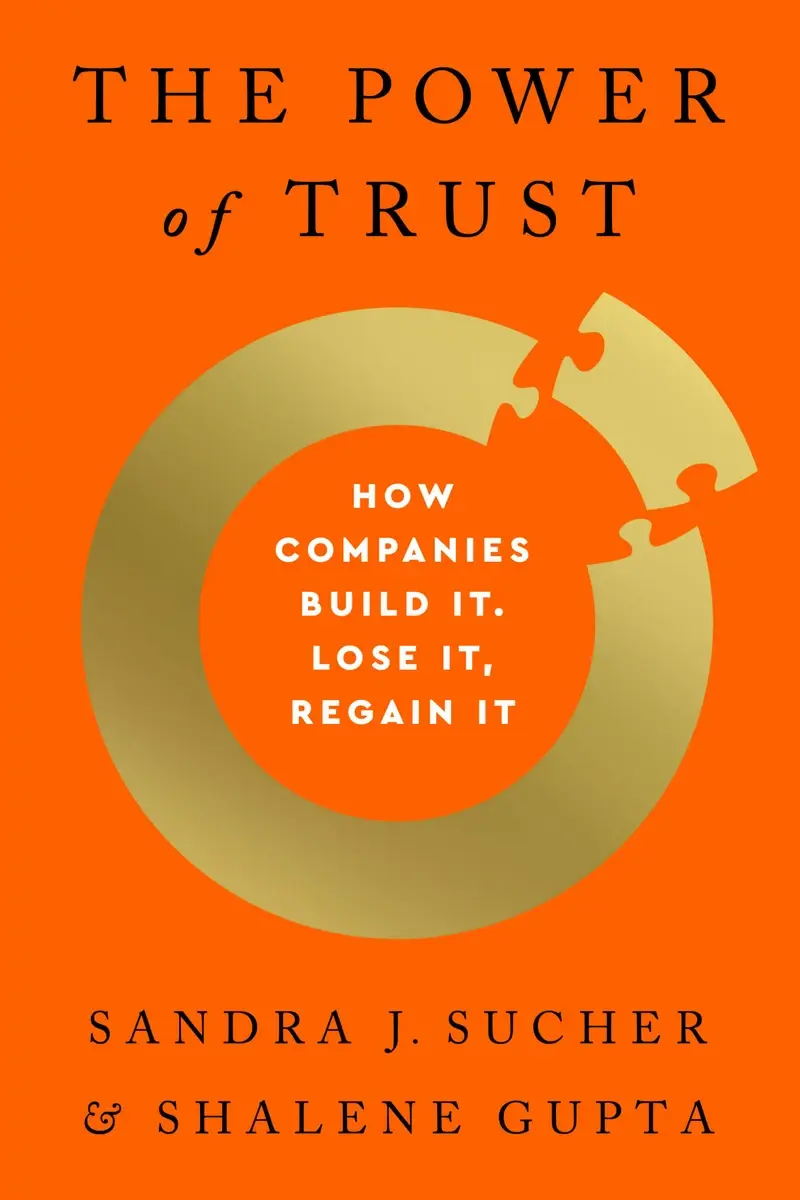
The Power of Trust: How Companies Build It, Lose It, Regain It

What People are Actually Judging
During a change, employees rarely judge the strategy. They judge the way it reaches them. Was the news delivered by someone who could answer questions, or by a template? Did the people most affected hear it first or last? Were the reasons given the real ones? Each of those answers becomes part of how the next announcement is received, which is why trust compounds in both directions.
Fairness of process matters more than most leaders expect. Research on organizational justice has shown for decades that people accept unfavorable outcomes far more readily when the process that produced them was transparent, consistent and open to voice. A restructuring that cannot explain its own logic in public is taxing trust it will need for the next one.
Change that Spends Trust and Change that Builds It
Some changes spend trust by design: a layoff, a pay freeze, a reversal of a public commitment. The goal there is not to avoid the cost but to keep it from compounding, by being honest about the reasons, generous within the constraints and consistent between what is said internally and externally.
Other changes can build trust if they are run well. A new system that visibly makes people's work easier, a reorganization that gives teams authority they asked for, an AI rollout that starts with the tasks people wanted to lose. These are chances to add to the account, and organizations that treat them as purely operational miss the deposit.
A Practical Sequence for Leaders
The leaders who come through rapid change with trust intact tend to follow a similar sequence. They decide what will not change and say so early, because stability in a few visible places makes movement elsewhere tolerable. They explain the reasoning before the decision is final, so people hear it as reasoning rather than justification. They give the people affected a real say in how, if not whether. And they report back on what the change actually did, including where it fell short.
Psychological safety is what makes the last step possible. Amy Edmondson's work shows that teams able to name what is not working recover from mistakes faster, and every change program contains mistakes. Heidi Gardner's research on collaboration adds the other half: the trust that lets people work across boundaries is the same trust a change program either protects or burns.

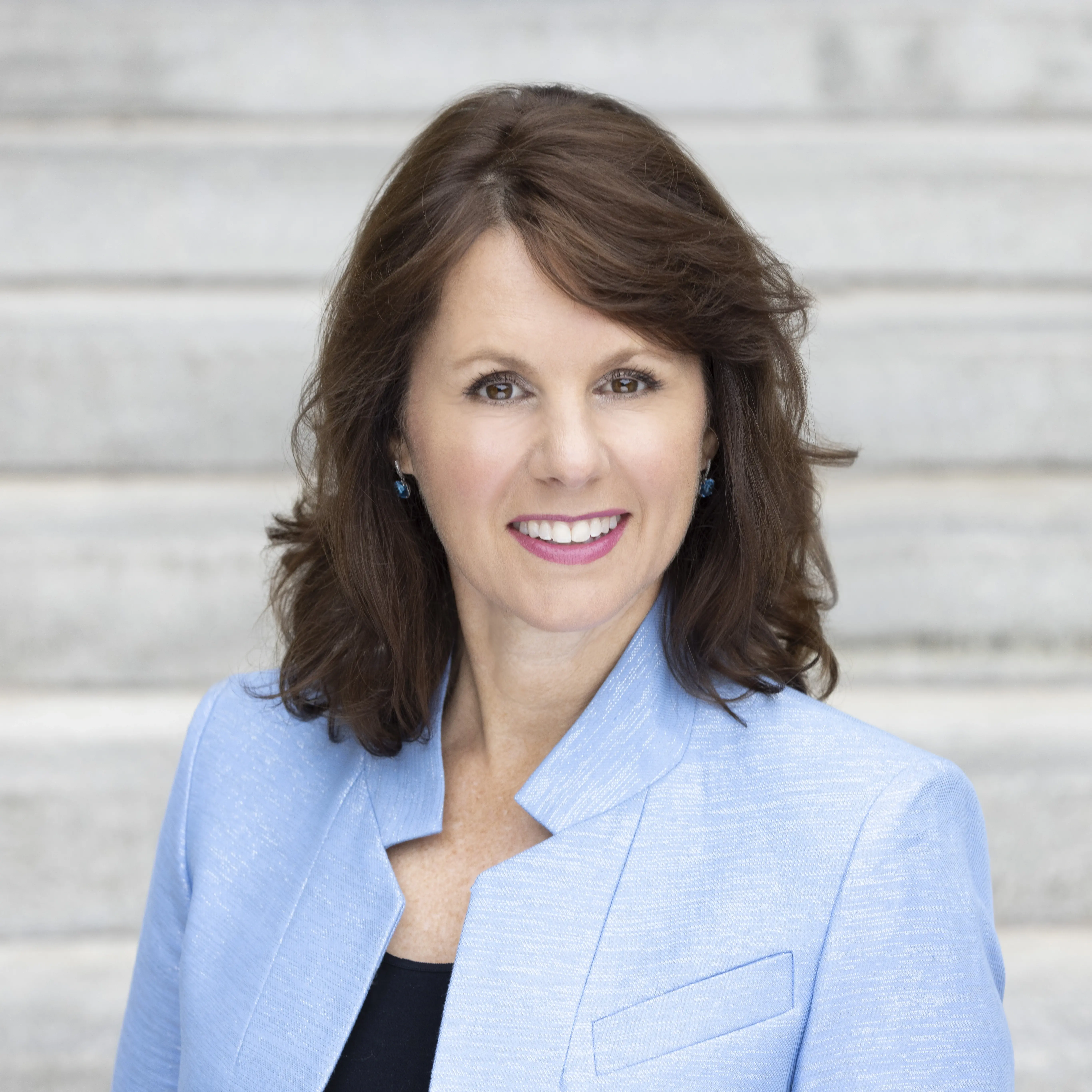

Virtual Books@Baker with Sandra Sucher, author of "The Power of Trust"
Featuring Sandra Sucher
Rapid change is now the normal condition, not an episode. Treating trust as a resource to be managed through it, rather than a mood to be surveyed afterward, is the difference between organizations that can keep changing and organizations that have to stop.


