

What does it take to build a culture where people have the courage to speak up and feel safe doing it?
Top experts in leadership, organizational behavior and workplace psychology are urging organizations to pay closer attention to courageous conversations. More than feel-good moments, they’re key to trust, innovation and sustained success.
The research, books and case studies of these Stellant clients are pointing to the same truth.
Amy Edmondson
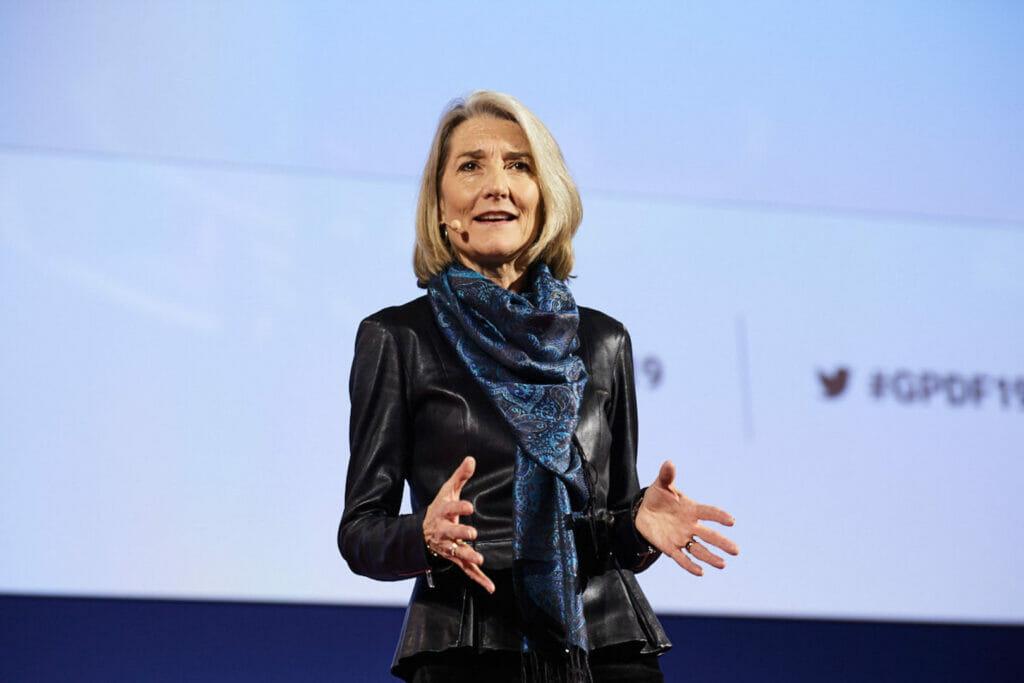
Amy Edmondson is a pioneer of the concept of psychological safety – a team’s belief that speaking up won’t lead to punishment or embarrassment. This safety is the bedrock of learning, performance and accountability.
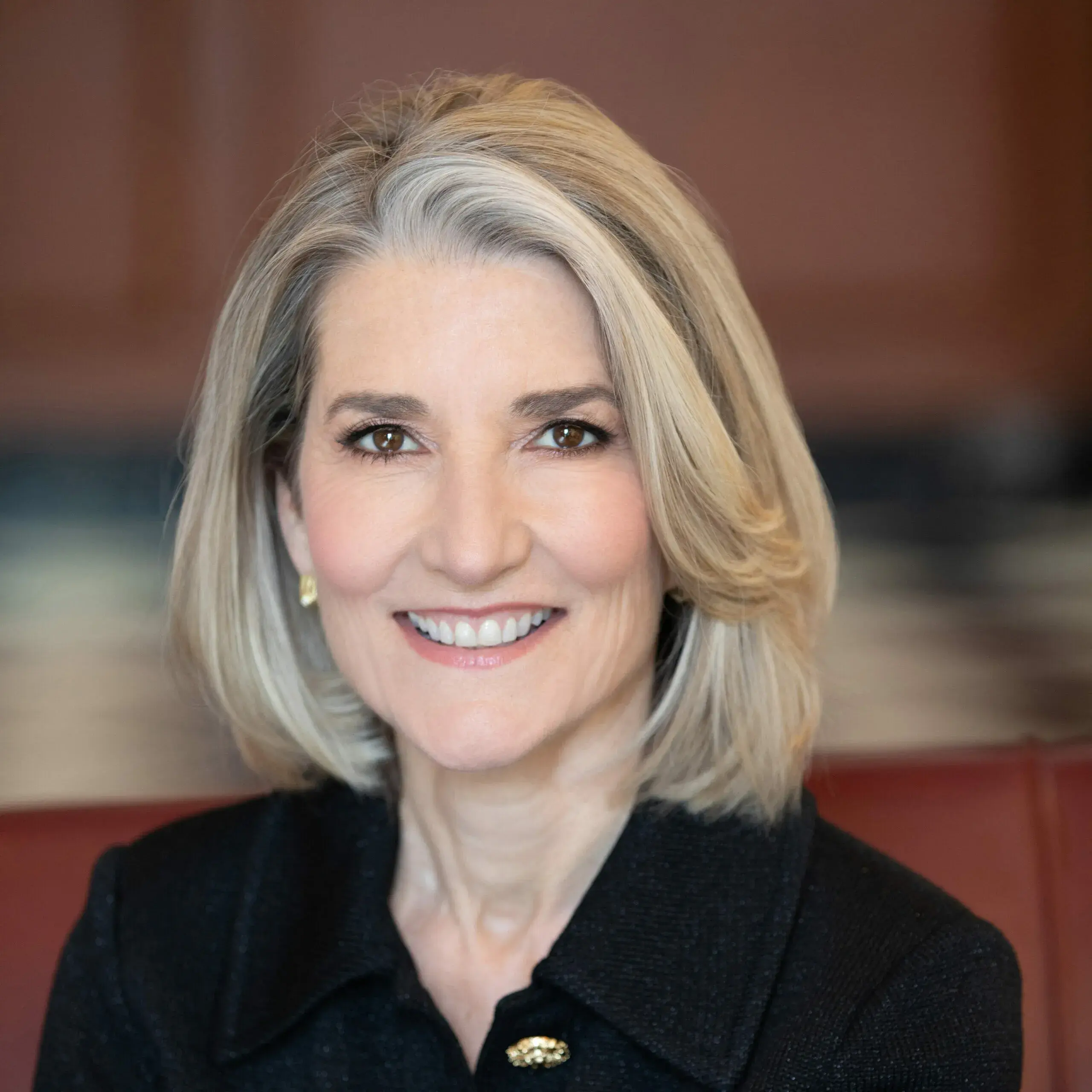
Ranjay Gulati

Ranjay Gulati’s upcoming book “How to Be Bold,” explores how everyday courage – not just at the top – fuels adaptability and innovation. Courageous conversations are key to this culture of boldness.

How to Be Bold: The Surprising Science of Everyday Courage

Ashley Goodall
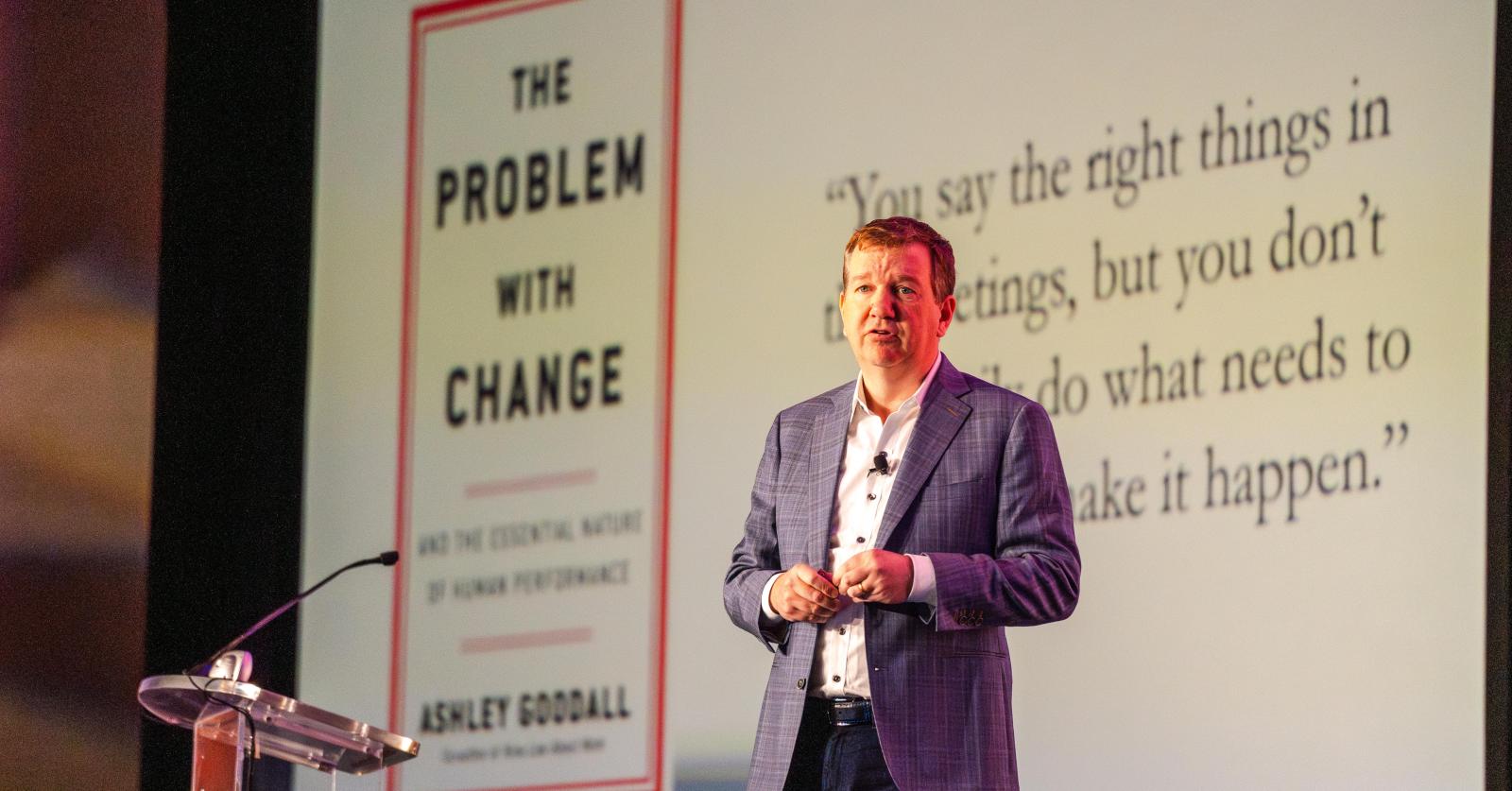
Ashley Goodall, in his provocative book “The Problem with Change,” argues that constant transformation can undermine trust. What employees really need is clarity and courageous dialogue about what shouldn’t change.
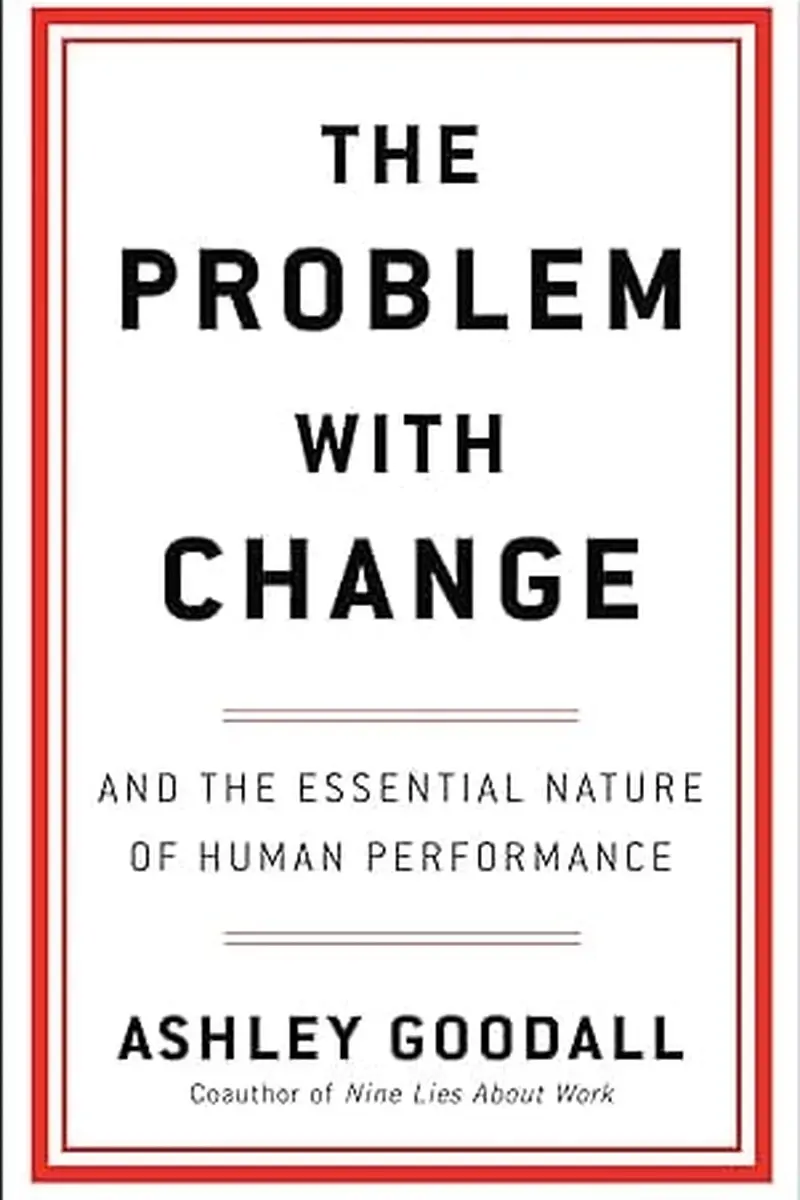
The Problem with Change: And the Essential Nature of Human Performance

Megan Reitz

Megan Reitz, in “Speak Up,” dives into the subtle dynamics of voice and power – equipping leaders with tools to hear what’s not being said and to invite braver contributions.
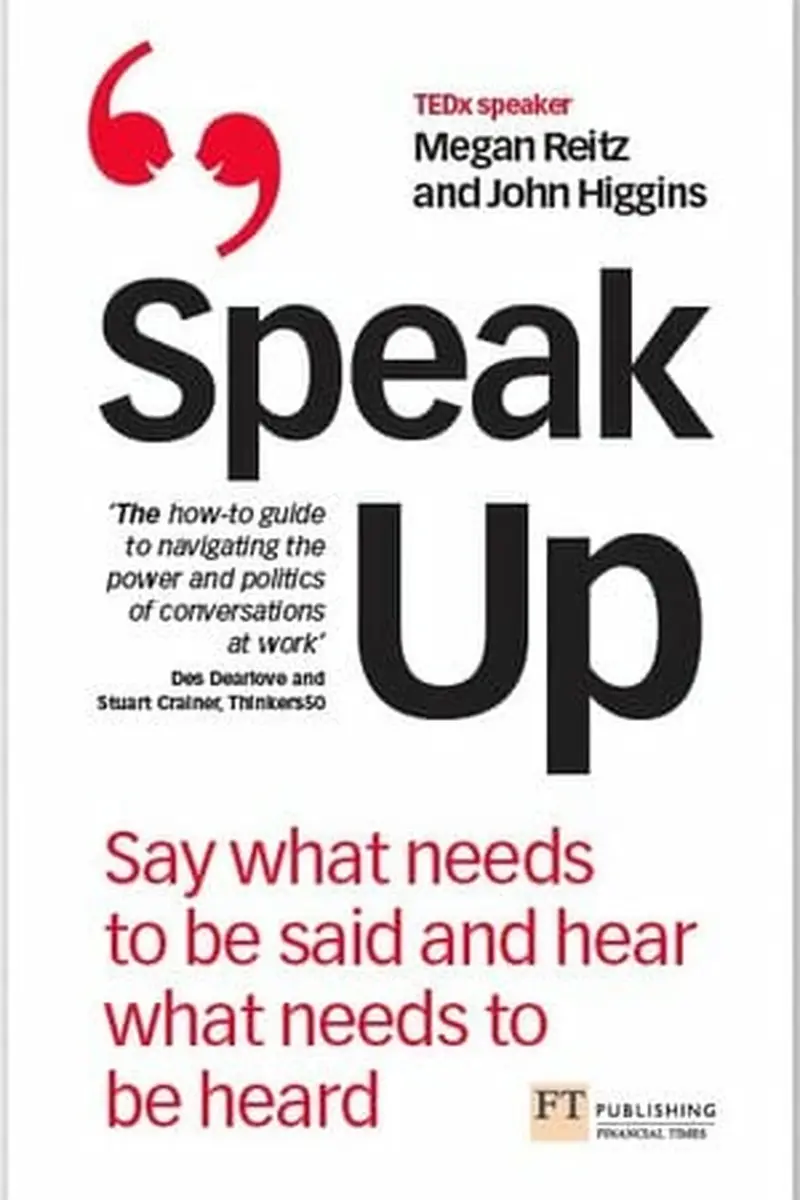
Speak Up: Say What Needs to be Said and Hear What Needs to be Heard

Heidi Brooks
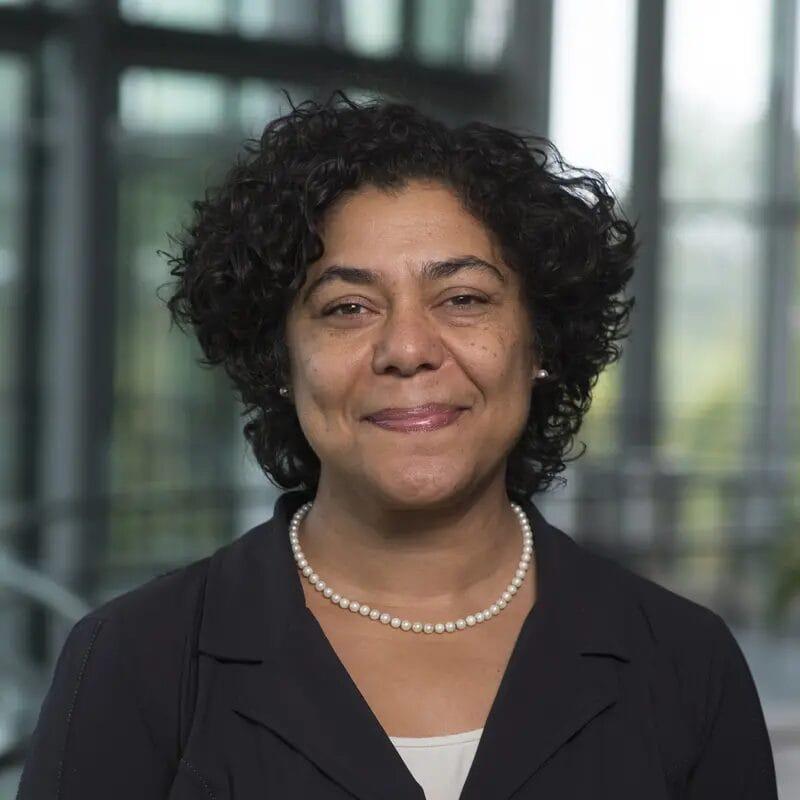
Heidi Brooks teaches that relational honesty is essential to leadership development. We grow through connection, not perfection – and that means creating room for real talk.
Amy Gallo

Amy Gallo, author of “Getting Along,” gives actionable strategies for having hard conversations with empathy – especially with difficult colleagues. Her work highlights that courage is a skill that can be learned and practiced.
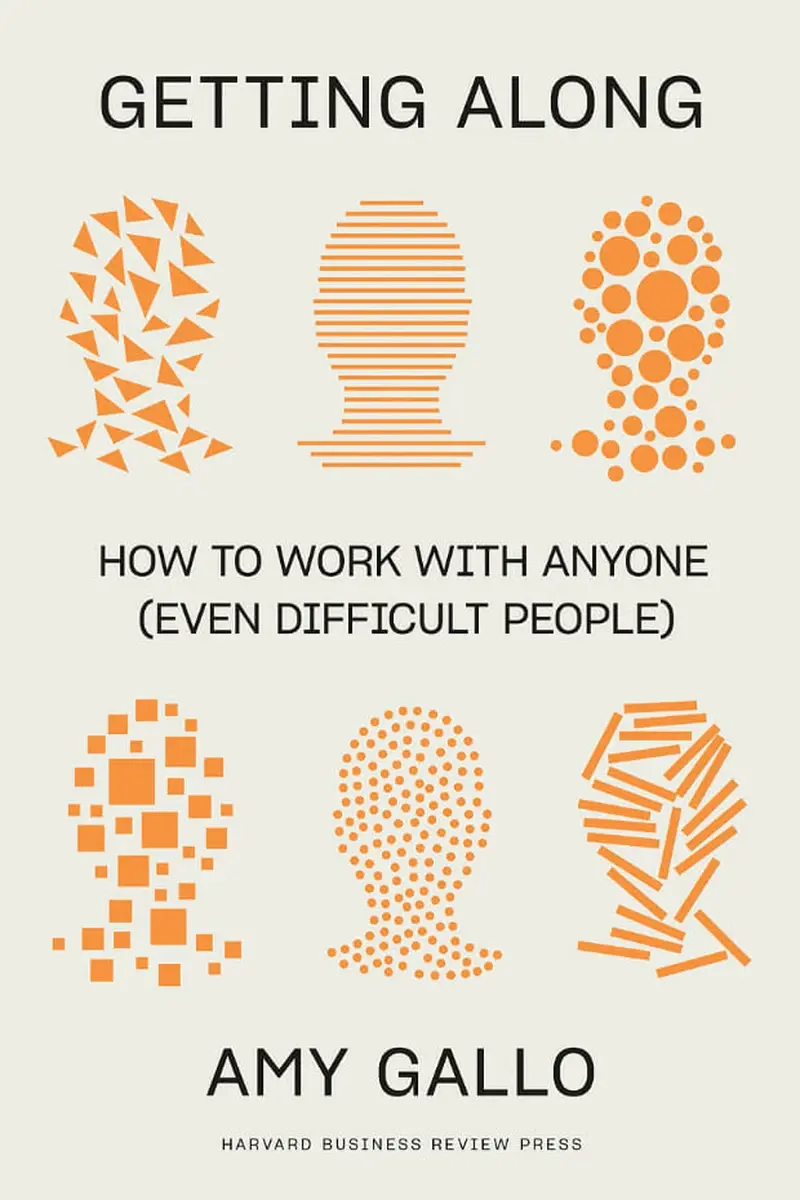
Getting Along: How to Work with Anyone (Even Difficult People)
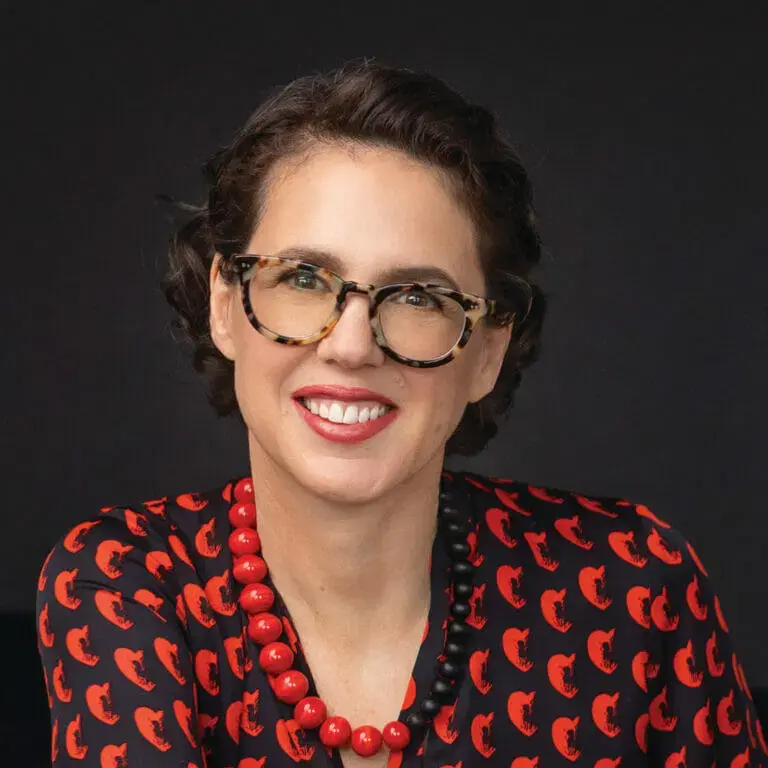
Deepa Purushothaman

Deepa Purushothaman teaches that great leaders not only bring their full selves to work, but they also empower employees to do the same. By finding their voice, managers set an important example for their teams.
Jim Detert

Jim Detert, in “Choosing Courage,” reveals why most people don’t speak up – and how organizations can lower the cost of candor while raising the reward for it.
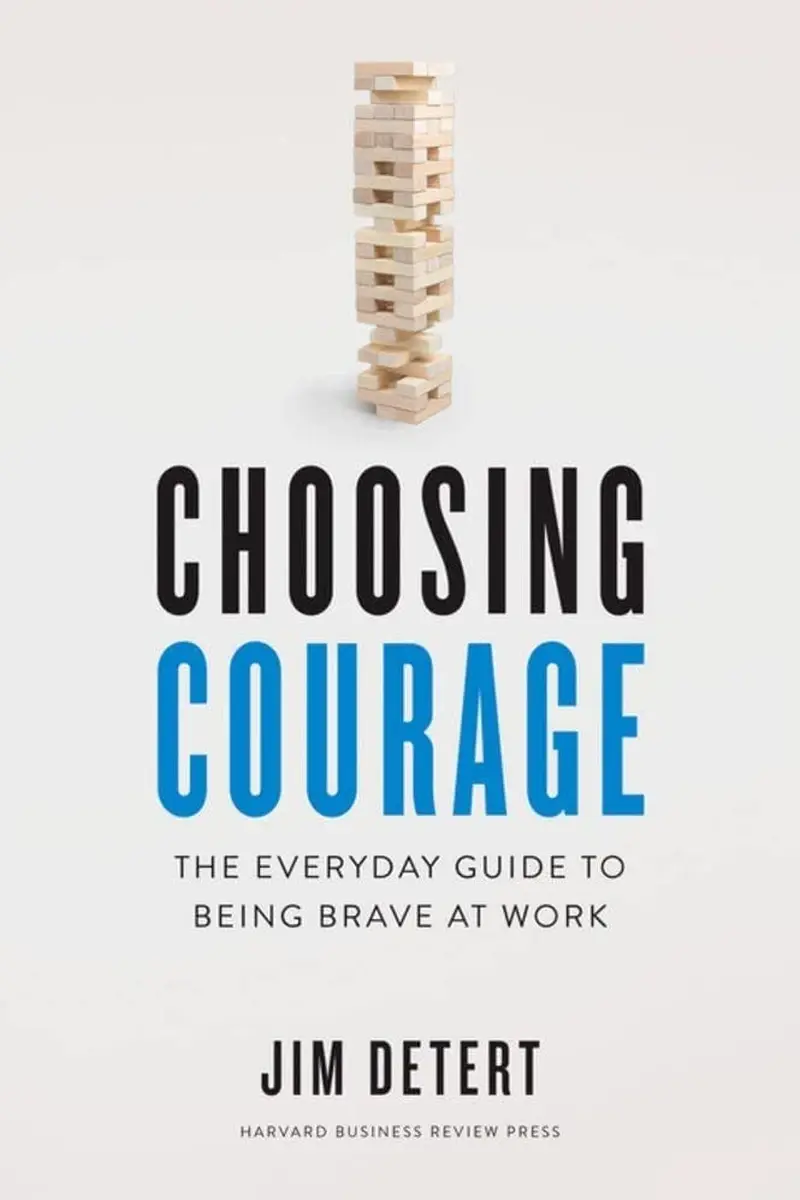
Choosing Courage: The Everyday Guide to Being Brave at Work

Abigail Marsh

Abigail Marsh’s neuroscience research shows we’re wired for empathy and altruism. This isn’t just about productivity – it’s about creating human-centered cultures where people feel safe to be themselves.

Alex Budak
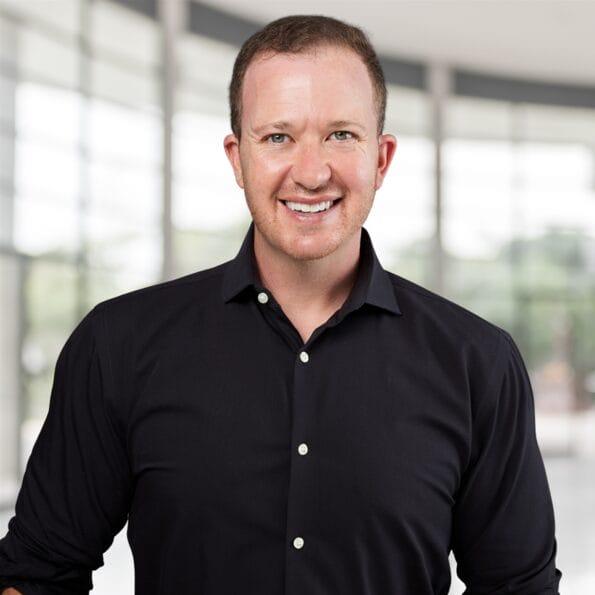
A standout article by Alex Budak of UC Berkeley Haas School of Business in Harvard Business Review, “6 Ways to Practice Everyday Courage,” reveals how leaders can practice aligning values with action in small, daily moments, which builds trust and sparks a more innovative culture.
When leaders build a foundation of trust and communication into their organization, employees are empowered to speak up, solve problems faster and innovate with confidence. Stellant Group connects you with renowned thought leaders whose insights, strategies and management frameworks help organizations fuel growth and disruptive innovation to better compete in a constantly changing world. Let us arrange for these esteemed experts to advise your organization via virtual and in-person consulting sessions, workshops and keynotes.


