

Most large organizations have now run at least one transformation program that met its technical milestones and missed its business ones. The platform shipped. The dashboards lit up. The way people worked stayed largely the same, and within two years the new system was doing the old process a little faster.
The Pattern Behind the Failures
The pattern is consistent enough to be predictable. A program is scoped as a technology project, owned by a technology function and measured by go-live dates. Culture, the habits and unwritten rules that decide how work actually gets done, is treated as a change-management workstream that starts once the build is complete. By then the decisions that matter have been made without it.
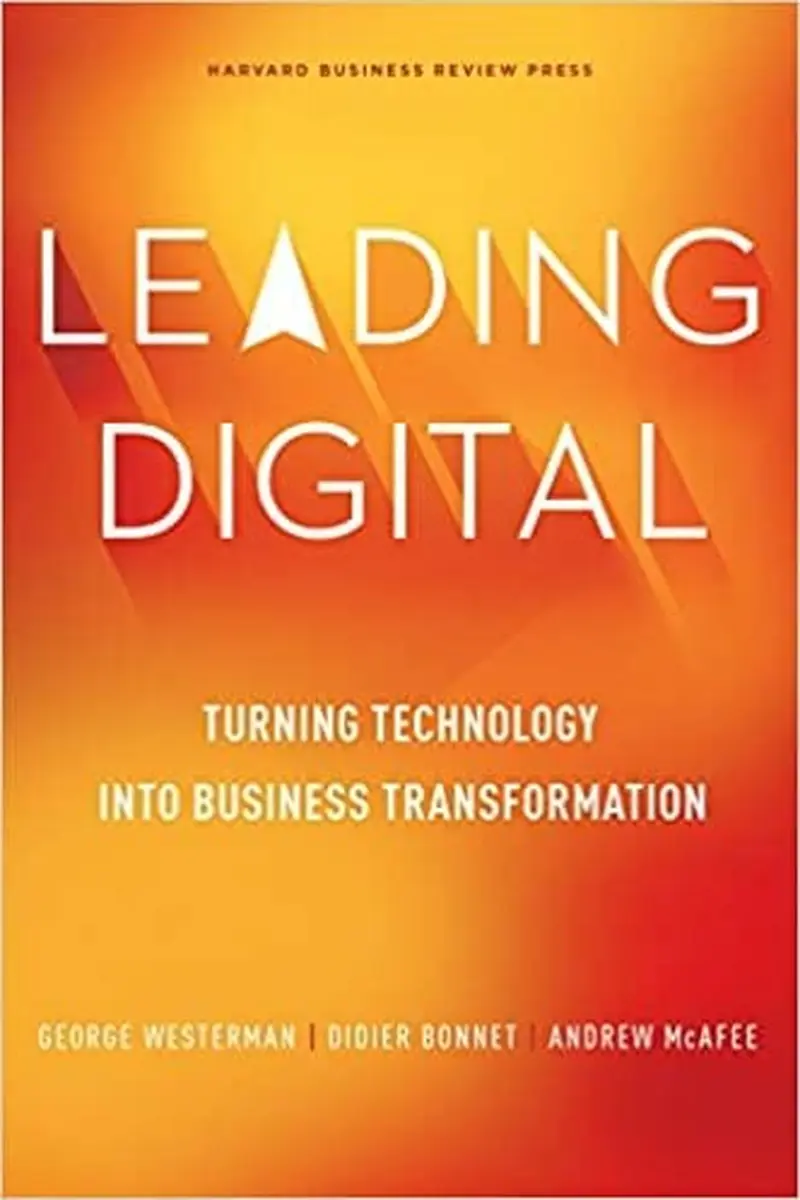
George Westerman's research at MIT has made the point for more than a decade: technology changes quickly, organizations change far more slowly, and the gap between the two is where transformations stall. Leading Digital, which he wrote with Didier Bonnet and Andrew McAfee, found that the companies gaining the most from digital investment were not the ones with the best technology. They were the ones that paired it with strong leadership capabilities, clear governance and a shared view of what the technology was for.


Habits Before Software
The organizations that scale a transformation build new habits before the software goes live. They pilot the new way of working on the old tools, so the team has already changed its rhythm by the time the platform arrives. A weekly review that runs on a spreadsheet for three months teaches more than a training session on the dashboard that will eventually replace it.
Rituals matter for the same reason. A transformation that changes how decisions are made needs new moments where those decisions are visibly made the new way: a different meeting, a different agenda, a different person holding the pen. Without them, the old rituals quietly reassert the old process, and the new system becomes a more expensive way to file the same forms.
Decision Rights are the Real Architecture
Every system encodes assumptions about who decides. A data platform that gives frontline managers real-time numbers is worth little if the operating rhythm still routes every decision through a monthly review at headquarters. The transformation that works redraws decision rights first, then builds the tools those decisions need.
This is uncomfortable because decision rights are where power lives, and redrawing them creates losers as well as winners. Leaders often prefer to let the technology force the issue. It rarely does. People find ways to run the old decision process on top of the new system, and the organization ends up paying for both.
What the Leaders Who Scale Do Differently
Three practices show up again and again in the transformations that hold. Leaders name the behaviors they expect to change, in plain language, before the technology is chosen. They put the new habits in place on existing tools and measure adoption of the habit, not of the software. And they make the redistribution of decision rights explicit, so the people gaining authority know it and the people losing it hear it from a leader rather than discovering it in a workflow.
Psychological safety runs underneath all three. Amy Edmondson's work shows that people adopt new ways of working faster when they can raise problems without penalty, and a transformation generates problems by the week. Teams that can say what is not working fix it early. Teams that cannot wait for the go-live review, and by then the habits have set.


George Westerman: Digital Transformation
Featuring George Westerman
Technology is the easy part of transformation, in the sense that it can be bought. Culture cannot, which is exactly why it is the part that decides the outcome.


