

Practitioner credential meets editorial platform
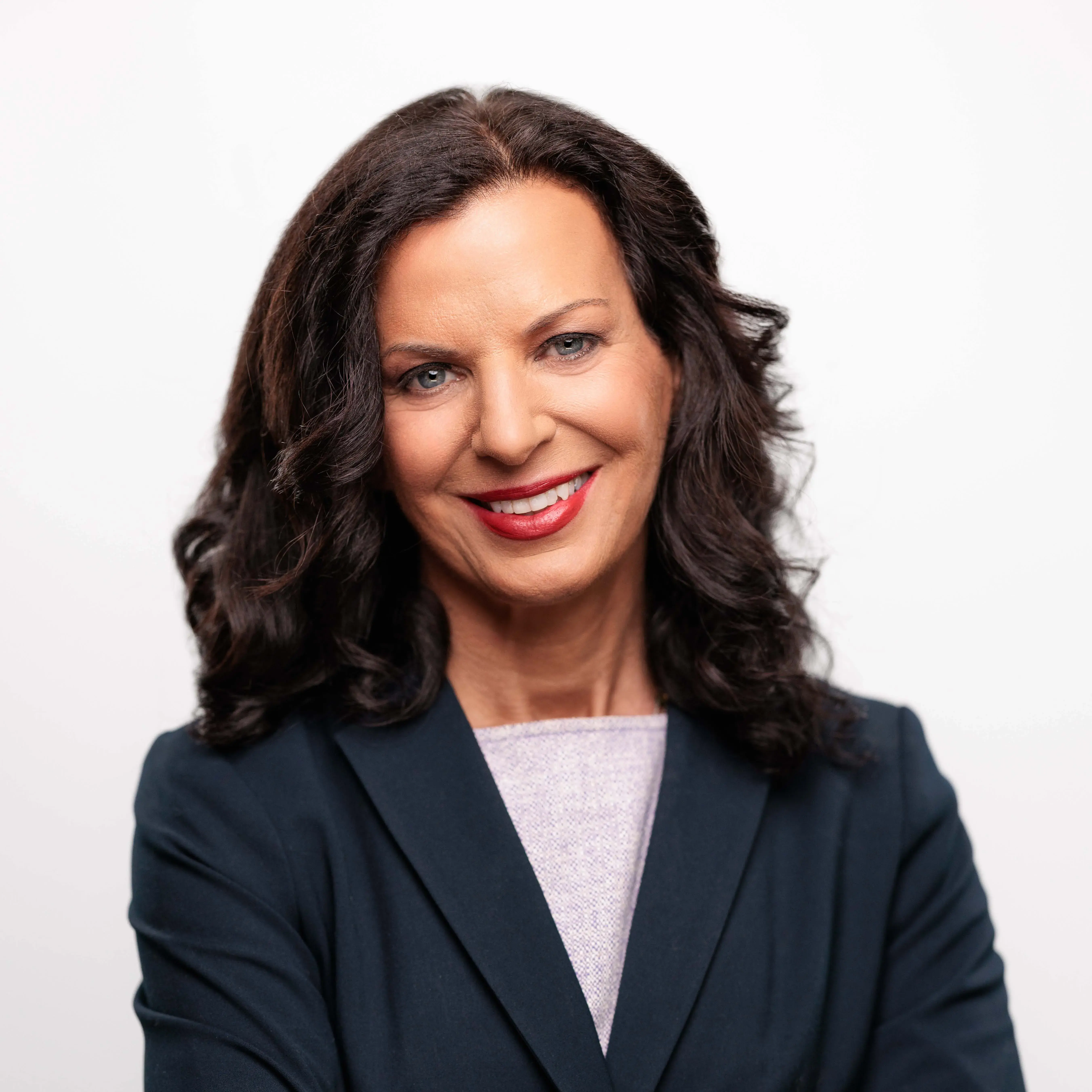
Juliette Kayyem spent the week of September 9, 2026, doing what few homeland security experts can: translating operational experience into arguments that matter to the general public. The Belfer Senior Lecturer in International Security at Harvard Kennedy School and CNN's senior national security analyst published a review of Joby Warrick's new book on the terrorist Carlos the Jackal in Foreign Policy on September 10, appeared on CNN the same day, and joined Boston Public Radio on September 9—each appearance timed to the twenty-fifth anniversary of the September 11 attacks.
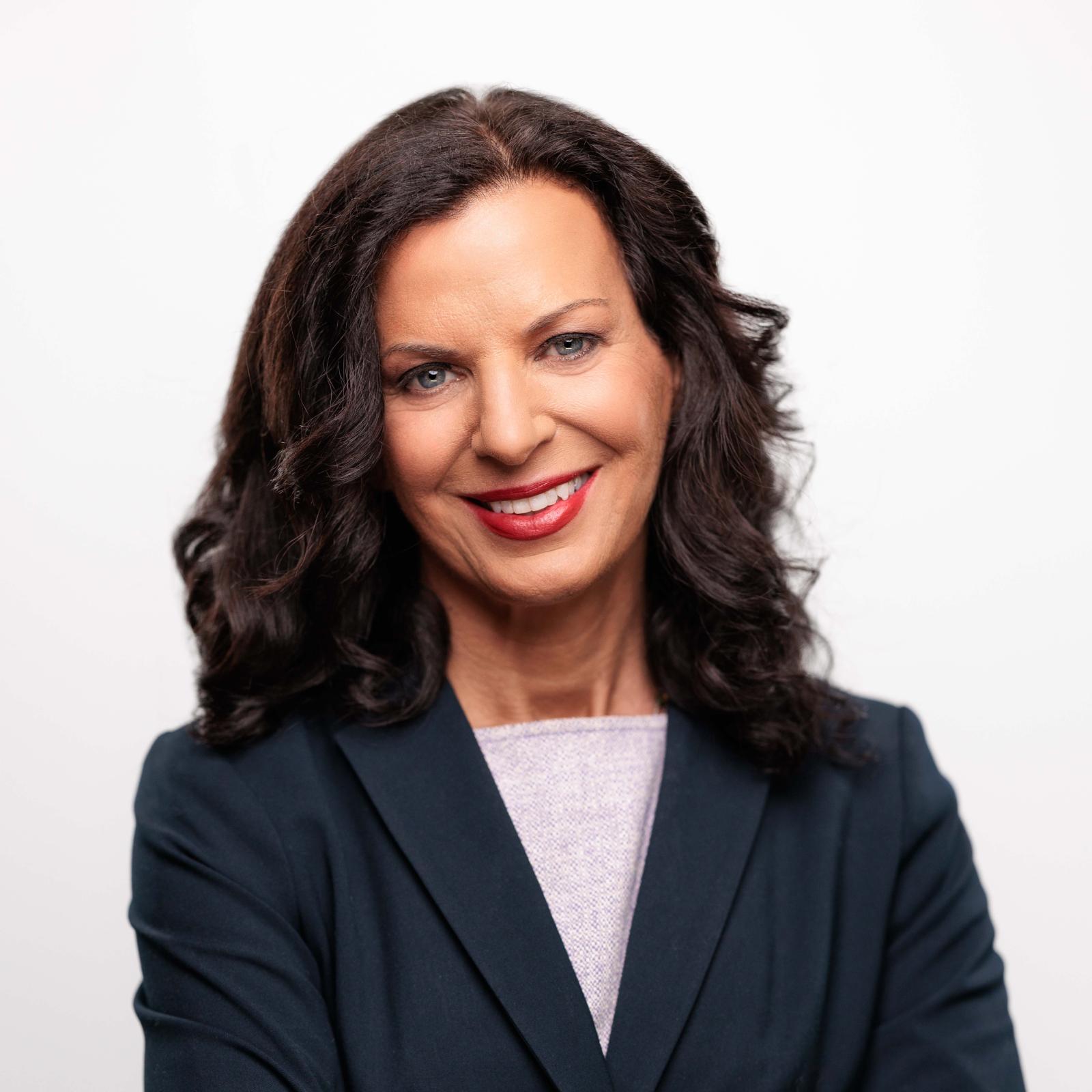
The Foreign Policy review, "Carlos the Jackal Is the 'Super-Terrorist' We Still Can't Escape," anchors her argument in a question most homeland security professionals avoid in public: what does the arc from Carlos to al-Qaeda to ISIS to the threats of 2026 tell us about the assumptions leaders carry into crisis planning? The piece ran in a magazine read by policymakers, not just security professionals.
The CNN segment the same day and the Boston Public Radio broadcast the day before extended that argument to two different audiences: national cable and regional public radio. Both appearances leaned on the credential she built as President Barack Obama's Assistant Secretary for Intergovernmental Affairs at the Department of Homeland Security and as homeland security advisor to Massachusetts Governor Deval Patrick, a role that included overseeing the National Guard.
Why the twenty-fifth anniversary mattered
The twenty-fifth anniversary of 9/11 put homeland security expertise back into general-interest coverage for the first time in several news cycles. Most outlets ran retrospectives; a smaller number commissioned forward-looking analysis. Kayyem's work fit the second category. Her Foreign Policy review used Warrick's book as a lens on how threat archetypes evolve, and her broadcast appearances framed the anniversary as a planning checkpoint, not a memorial.
That positioning reflects the discipline she teaches in Harvard Kennedy School's course on mitigating and managing crises. "What makes crises different is the short runway," she has written. "Time is limited and decisive action is critical. Rather than dwelling on what could go wrong, the best leaders focus on preparation and resilience strategies."
The anniversary also created demand for voices who could speak to both the historical record and the operational pressures that leaders face when a destabilizing event lands. Kayyem holds both: she managed responses from inside government, and she now prepares leadership teams for the disruptions they cannot prevent. Her bestselling book The Devil Never Sleeps (2022), described in a New Yorker profile as an "engagingly urgent blueprint for rethinking our approach to disaster preparedness and response," asks executives to rethink what failure means. "Traditionally, people think of success as 'the bad thing didn't happen' and failure as 'the bad thing happened,'" she explains. "If we think about it that way, we're giving up a lot of agency. The key isn't not to fail, it's to have the capacity to fail safer."
From credential to editorial platform
Kayyem's September media run demonstrates a pattern: the credential opens doors, but the argument determines reach. She is a Pulitzer Prize finalist and a contributing writer for The Atlantic. She writes and speaks as someone who has run operations, not just studied them. That combination—practitioner experience and editorial platform—makes her analysis land with boards, C-suites, and conference audiences who need to translate abstract risk into operational response.
Her work also applies the same "fail safer" discipline to cybersecurity, an increasingly urgent threat as AI spreads. "We spend a lot of time on prevention and protection," she notes, "but a pivot strategy is just as important to mounting an effective response and maintaining ongoing resiliency."
The twenty-fifth anniversary of 9/11 created a moment when editors and producers wanted homeland security expertise in front of general audiences again. Kayyem used that moment to advance an argument about how leaders should prepare for the crises they cannot prevent. The Foreign Policy review, the CNN segment, and the Boston Public Radio appearance each served a different audience, but the through-line was consistent: situational awareness, resilience, and the capacity to fail safer when destabilizing events happen.
Juliette Kayyem is exclusively represented by Stellant Group for keynotes, board sessions, and confidential advisory work with leadership teams preparing for the crises they cannot prevent and building the organizational capacity to fail safer when they arrive.


