

Watch Kelly in Action
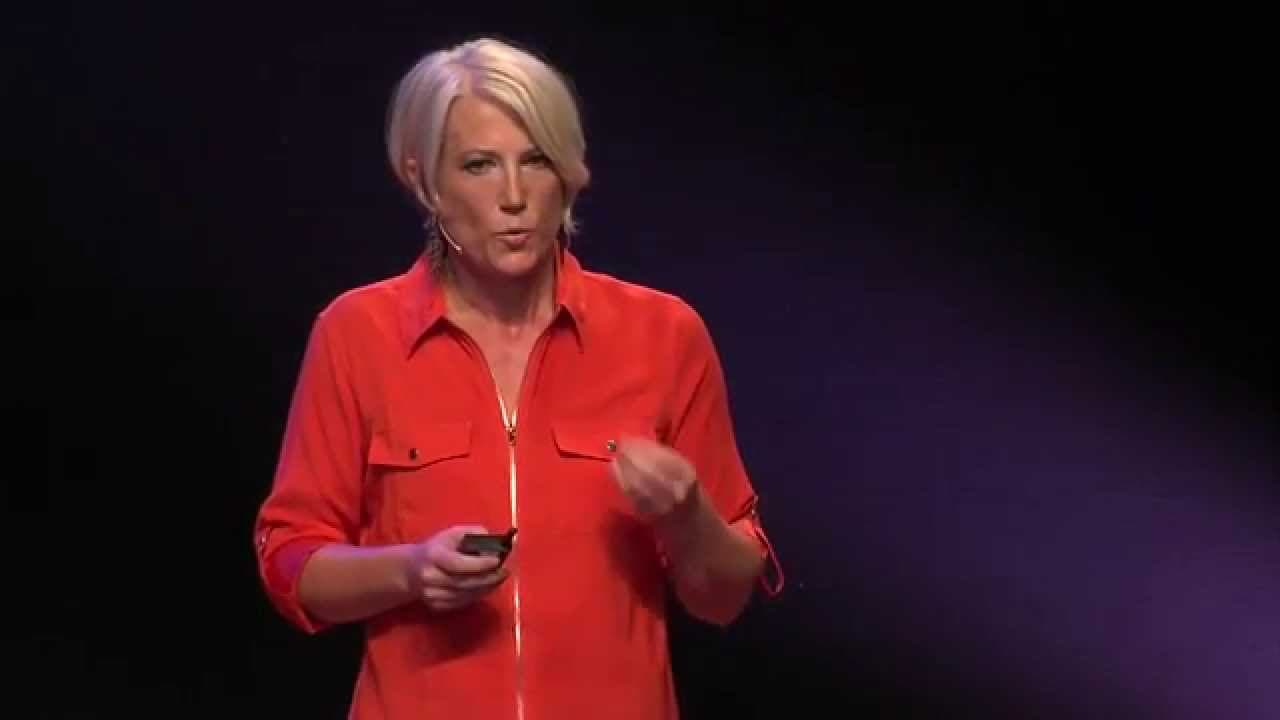

About Kelly Peters
Awareness and understanding of human behavior are important for growing a business, but not enough, says Kelly Peters. Leaders need to know how to change behavior: how to increase acquisition, retention and sales, nudge healthy choices, reduce water waste, encourage retirement savings, even boost organ donation.
Her action-oriented frameworks fuse behavioral insights with scientific methods and business pragmatism to solve problems as varied as strengthening financial decisions, improving employee wellness and customer trust, overcoming management bias and retooling how products and services are priced and marketed. The BEworks Method has been implemented across health care, financial services, media and publishing, utilities and government.
Kelly's Keynote Topics
Business leaders all over the world are facing an increasingly stressful period of time. Not only are they concerned about their own health and that of their families, but they stand by watching their investments plummet, striking them to action and potentially irrational investment behaviors driven by a host of psychological investment biases. In this presentation, Kelly Peters outlines the 4-key biases influencing investment decisions and how to overcome them.
We are currently experiencing one of the most far-reaching technological revolutions in the history of humanity. Digital technologies aren’t just reshaping entire business models and sectors of the economy; they’re also radically changing human behavior. Through the lens of behavioral science, Kelly Peters talks through these changes and the various implications for leaders, employees and customers. She provides a framework for managing in this new era of technology-powered work and society, helping us make better decisions while reducing risk to ourselves and our institutions. Peters also offers theories on why some of the most sophisticated AI engines and other technologies haven’t lived up to their promises for change.
Many organizations make decisions based on outdated assumptions about customers’ needs. They believe that if they present more product information, consumers will value them; if they offer cash incentives, consumers will respond; or if they add more choice, consumers will buy. But consumers are human, and we don’t always follow through with what we say we will do; we’re motivated by more than just money, and too much choice can actually hinder decision making. Kelly Peters discusses why we deviate from assumptions, but perhaps more importantly, how to change that behavior. For marketers, branding officers and customer insights teams, getting into the consumer mindset is not an impossible challenge, she says – if we combine behavioral insights with scientific thinking and apply it to marketing strategy. In this presentation, Peters uses real-world experiences and marketing scenarios to teach leaders how to identify and overcome consumer biases and barriers to their happiness and satisfaction. She also walks through her methodology for understanding the customer decision process and in turn make better decisions of our own in terms of how to develop, position and price the products customers want to buy.
Trust is a highly valuable currency in today’s world. Trust in advisors, CEOs and employees. Trust in markets. Trust in the law and government. Indeed, trust is so important that it lessens the need for written contracts, encourages innovation, helps preserve property rights and facilitates exchanges. Yet, trust is so intertwined in our everyday lives that it is often unacknowledged. It’s only when trust erodes that we can appreciate its significance. But what is trust exactly? And how can we measure it? In this presentation, Kelly Peters unpacks those questions and explores the answers. Using real-world examples, she delves into the roles of risk, bias and behavior in establishing – and sustaining – trust with various stakeholders, as well as how to spot trust-building opportunities.
As the nature of trust continues to evolve – especially as our trust shifts to digital platforms, interfaces and the data and technology powering them – companies need to be uber aware that who, what and how customers and employees trust is fundamentally changing. This means we need new strategies and skill sets to build trust effectively in the digital age. Kelly Peters can help with both.
Moving the workplace on such a large scale, and with so little time to prepare, for many organizations has been a paramount task. Now with all the technical and remote working tools out of the way, organizations have to shift their attention to the psychological and behavioral aspects of these changes. Kelly Peters turns to scientific evidence to help organizations and individuals become more productive, feel more connected and reduce the mental health burden of life without the water cooler.
Articles by Kelly Peters
Kelly in the Media

Does behavioural economics hold the key to member engagement?
Study: Recipe Tips and Advice Could Help Reduce Household Food Waste By a Third
Quantifying ‘Echochamber-iness’: A New Scientific Exploration of over 100 million Social Media Interactions Identifies the Most Dangerous Platforms

“Natural Is Better”: How the Appeal To Nature Fallacy Derails Public Health
Millennials Stand Out as Being More Cautious About Their Personal Finances During COVID-19

How Investors Can Stay Rational in Irrational Times

No More Water Cooler Conversations: 5 Ways Managers Can Adapt to the Work-From-Home-Force Now, Because it'll be Here for a While

Want Happier, Healthier Employees? Select and Promote Them Fairly

Imagining the Next Decade of Behavioral Science: A View by Kelly Peters
The Lemonade Ultimatum: Game Theory in a Gift Economy

Kelly Peters, CEO of BEworks: Think Like a Scientist to Make Better Business Decisions
The Best Question to Ask Your Team is 'How Do You Know?'
Bring Kelly to your next event
Tell us about your event and we will be in touch right away.


