
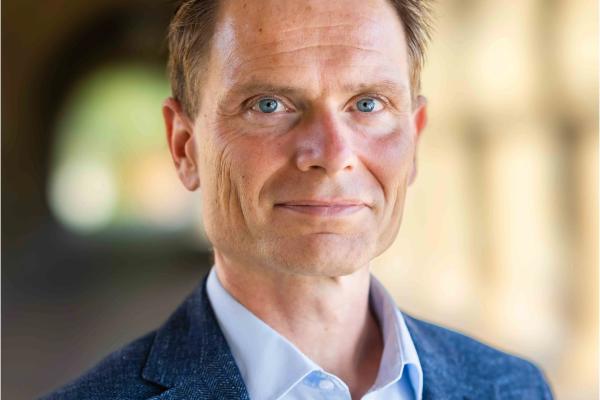
Nicholas Bloom was the lead expert in TODAY's Is Going to an Office Really Better for Your Health Than Remote Work? What the Research Shows, published Oct. 9. The segment quoted him on the mental health effects of remote and office work.
Bloom cautioned against concluding that remote work universally worsens mental health. "For some people, it's a godsend," he told TODAY. "A large [proportion] of people will say being fully remote is best for their mental and physical health. They tend to be people in their 30s and 40s with long commutes and kids." Many find remote work less stressful and report more time for exercise and healthier habits, he said.
On the benefits of office work, Bloom noted that some employees prefer daily in-person work, finding home environments isolating. But he emphasized that individual needs vary: "The biggest lesson from all of this is choice. People are different, there really is no one size fits all." He argued that hybrid policies offer the best solution, allowing employees to choose when they work in the office. His 2024 study in *Nature* found that employees working one to two days from home per week were as satisfied and productive as in-office peers and less likely to quit.
The segment arrived as return-to-office mandates tighten into year-end planning. For national consumer outlets covering the return-to-office debate, Bloom has become the researcher they turn to for evidence rather than opinion.
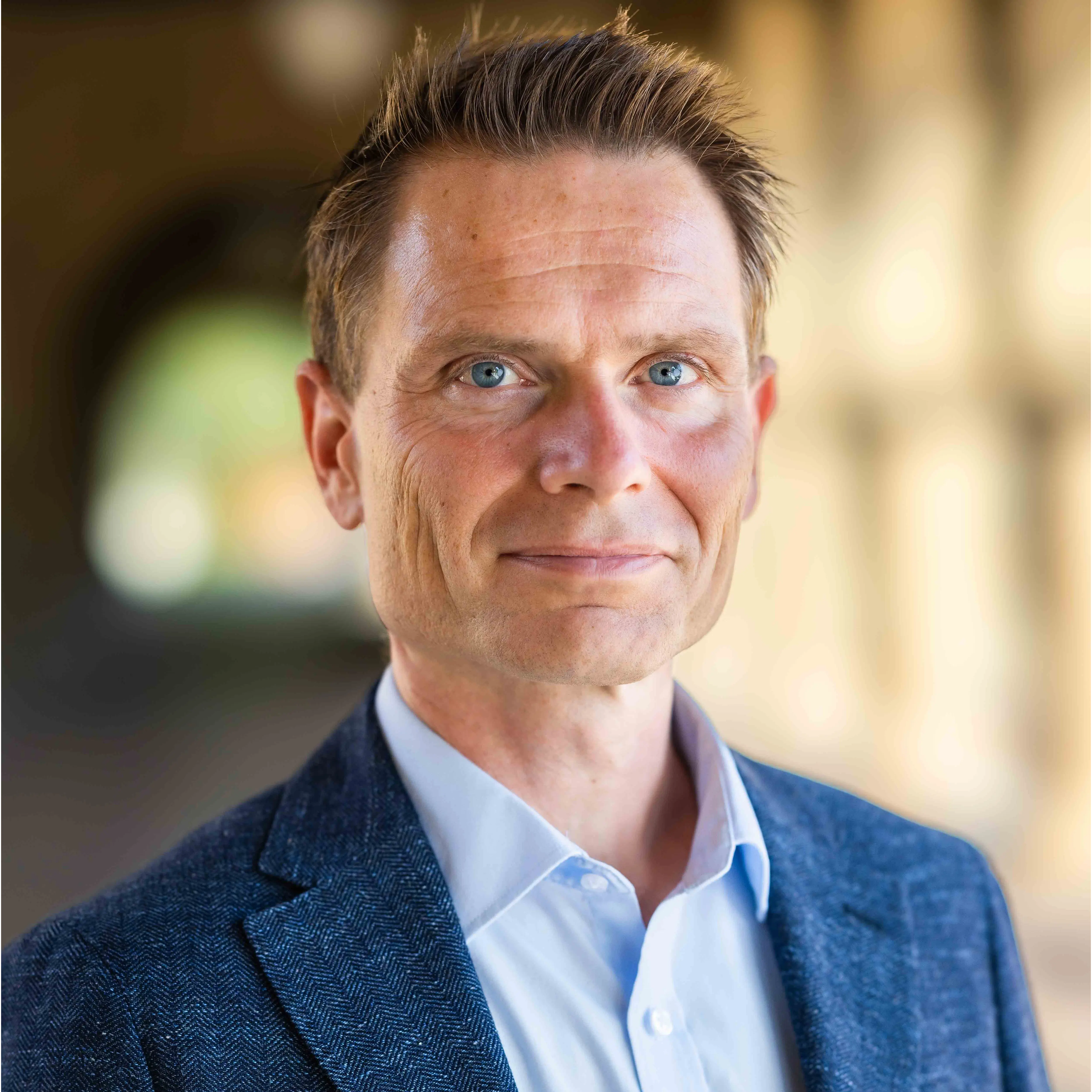
Nicholas Bloom is the William D. Eberle Professor of Economics at Stanford University and a professor, by courtesy, at the Stanford Graduate School of Business. His 2014 study of the 16,000-employee travel agency Ctrip, published in the *Quarterly Journal of Economics*, found that work-from-home policies reduced attrition by 50% and raised productivity by nearly 22%. He was named to the 2022 Bloomberg 50.
Nicholas Bloom is exclusively represented by Stellant Group for speaking engagements including keynotes, fireside chats and panel discussions with leadership teams thinking through workplace model decisions, hybrid policy design and the economic impact of distributed work. For our consulting or advisory offerings, please reach out for a custom proposal.


