

Inclusive Leadership
Inclusive leadership is visible in everyday moments: whose ideas are heard, how disagreement is handled and whether people can contribute without covering. Stellant’s inclusive leadership speakers help managers and executives build the self-awareness, trust and communication habits that make diverse perspectives useful. They connect inclusion to better decisions, stronger innovation and team performance rather than treating it as a separate initiative. These speakers bring practical, nuanced guidance to leadership programs, HR events and organizations working to create more open and equitable cultures.

Alison Fragale
Organizational psychologist, UNC Kenan-Flagler Business School
View profile
Michaela Kerrissey
Professor of Management, Harvard T.H. Chan School of Public Health
View profile
Ashley Goodall
Former senior vice President of human resources, Cisco
View profileLinda A. Hill
Wallace Brett Donham Professor of Business Administration, Harvard Business School
View profile


Books on Inclusive Leadership

Uncompete: Rejecting Competition to Unlock Success

The Prepared Leader: Emerge from Any Crisis More Resilient Than Before

Arrive and Thrive: 7 Impactful Practices for Women Navigating Leadership

Inclusion on Purpose: An Intersectional Approach to Creating a Culture of Belonging at Work

You, the Leader (HBR Women at Work Series)

The Power of Trust: How Companies Build It, Lose It, Regain It

Becoming a Manager: How New Managers Master the Challenges of Leadership

The Diversity Advantage: Fixing Gender Inequality in the Workplace

Social Knowledge in the Making

Responses to Stigmatization in Comparative Perspective (Ethnic and Racial Studies)

Successful Societies: How Institutions and Culture Affect Health

The Dignity of Working Men: Morality and the Boundaries of Race, Class, and Immigration
Conversations on Inclusive Leadership
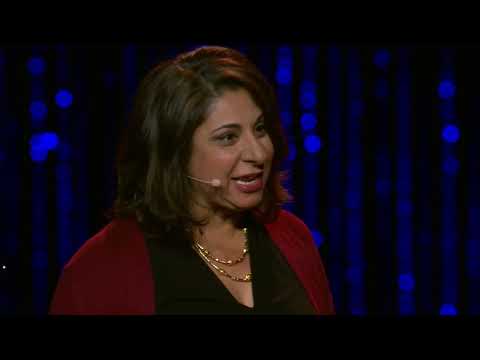
Dolly's Sizzle Reel
- Dolly ChughDolly's Sizzle Reel
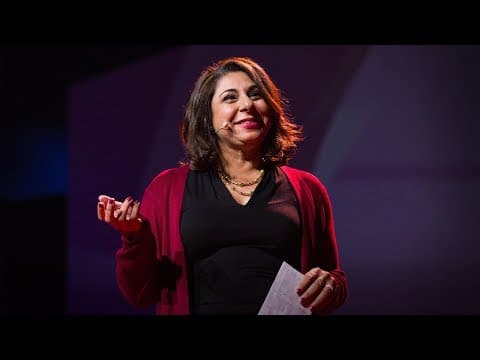 Dolly ChughHow to let go of being a "good" person — and become a better person | Dolly Chugh
 Ruchika T. MalhotraNew book argues against competition - New Day NW
 Desmond PattonPhiladelphia High School Cracks Down on Cellphones During Class (with Video)
 Elizabeth PaluckPrinceton Talk: Betsy Levy Paluck (Video)
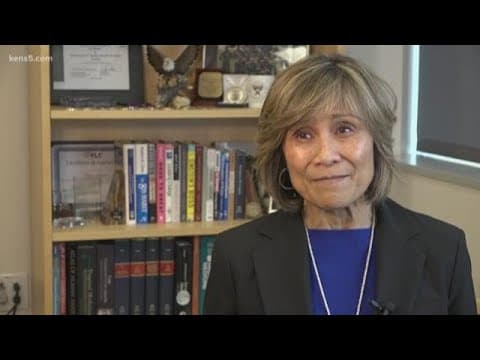 Raquel BonoRetired Vice Admiral's work to promote diversity never stops | Mission SA
 Courtney CogburnCan VR Teach Racial Empathy? (Video)

Topics on Inclusion & Belonging
Explore the rest of the domain below.
Inclusive Leadership
Inclusive leadership is visible in everyday moments: whose ideas are heard, how disagreement is handled and whether people can contribute without covering.
Currently viewingOrganizational Belonging
Belonging is more than a positive feeling; it influences whether people speak up, stay, create and perform.
Explore Organizational BelongingWorkplace Equity
Workplace equity asks a more useful question than whether everyone is treated the same: does everyone have a fair opportunity to succeed?
Explore Workplace Equity