


Watch Jenny in Action
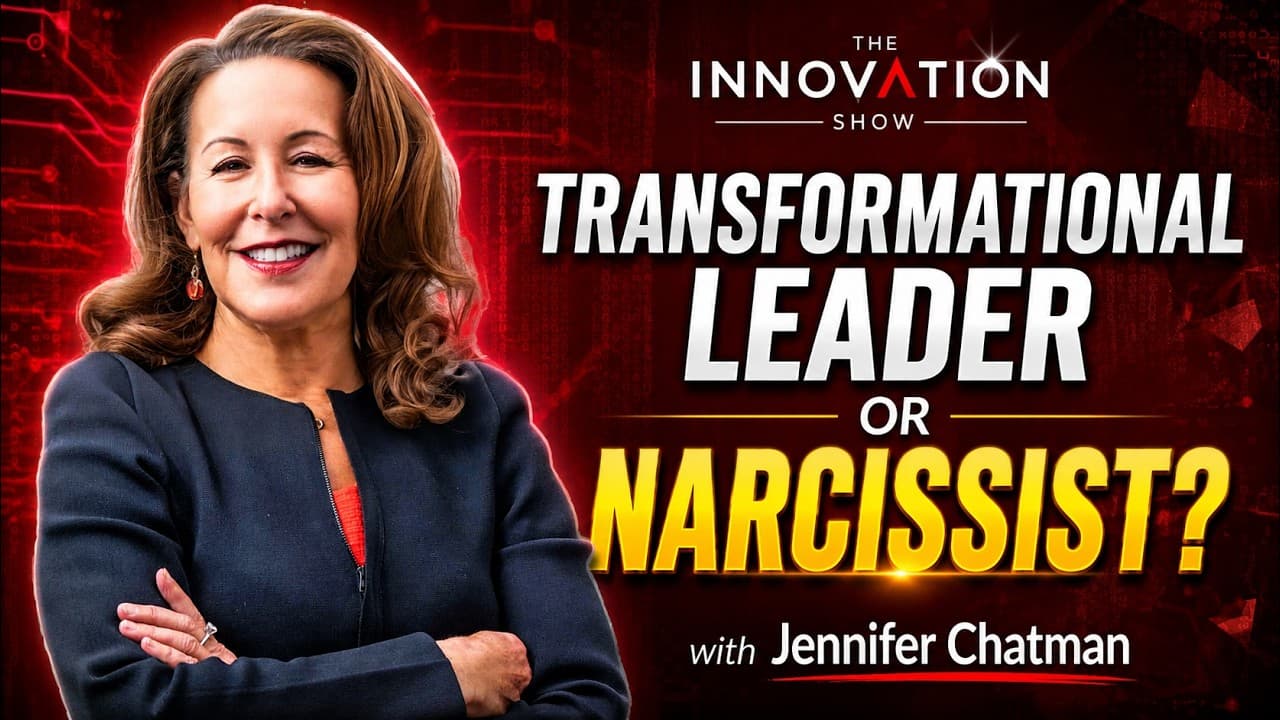

About Jenny Chatman
“Building a company culture that aligns well with your corporate strategy is an indispensable element of fulfilling your objectives,” says Jennifer A. Chatman. “If your culture doesn't support your strategy, achieving your strategic aspirations may be elusive.”
Jenny's Keynote Topics
There are huge question marks around the future of work that are directly tied to organizational culture. Global challenges coupled with emerging technologies have left leaders wondering about where to work and if and how an organization should use a version of hybrid work – and whatever approach they take will directly impact their culture. Jennifer Chatman, the world’s top authority on corporate culture, brings leaders profound insights on the necessity of a strategic cultural approach that complements the future of work. An engaging, dynamic speaker, she reveals the synergy between work locations and cultural change and shows how to leverage them so that altering one bolsters the strengths of the other, instead of sapping it. Leaders will gain the tools to craft a culture that thrives in hybrid and remote work landscapes, turning potential challenges into opportunities for innovation and high performance. This allows teams to preserve the essence of an organization’s unique culture while stepping confidently into tomorrow’s work environment – wherever it may be.
Organizational culture can feel like a puzzle to many leaders, making even the smartest and most experienced managers feel mystified, uneasy or skeptical. As Jennifer Chatman, dean of the U.C. Berkeley Haas School of Business and renowned social psychologist, notes in her upcoming book, “How Organizational Culture Really Works: Facts About the Most Misunderstood Leadership Challenge,” this discomfort is natural because many managers receive little or no training in how to think about or manage culture in the same ways they do for concrete tasks like reporting financial outcomes. Drawing from decades of extensive research, Chatman debunks common misconceptions, such as the idea that culture is too soft to impact the bottom line or that it’s a static force resistant to change. Gifted at relating to organizations across industries, Chatman brings leaders a deeper understanding of the behavioral realities of culture, demonstrates how to prioritize what truly matters, and equips them with actionable strategies to shape a strong, adaptive culture aligned with their strategic goals. Ultimately, Chatman transforms the abstract concept of culture into a tangible lever for driving organizational success and innovation.
The quick rise of AI tools in the workplace has led some leaders to want to embrace AI, but they don’t want their workforce to view AI as a threat to employment. Helping organizations think through the opportune areas where AI can help their individual needs is Jennifer Chatman, dean of the U.C. Berkeley Haas School of Business. She demystifies how AI can be integrated into organizations in a way that enhances culture rather than threatening it. Drawing from insights into AI’s applications within HR at IBM and other organizations, she illustrates AI’s potential to streamline operations while maintaining a personalized touch. Chatman’s approach helps leaders see AI as an opportunity to reinforce their company’s values and mission, rather than as a disruptor. Chatman’s roadmap ultimately helps leaders align AI integration with cultural values, fostering an environment where technology and humanity coexist to drive innovation and efficiency.
Assessing the gaps between a company’s current and desired culture is only half the process of bringing culture and corporate strategy into alignment. In this informative session, dean of the U.C. Berkeley Haas School of Business Jennifer A. Chatman, Ph.D., outlines the four levers that leaders can use to initiate positive culture change. She’ll explain the significance of hiring for different kinds of cultural fit, how best to create a vivid picture of success, how to reward culture change, and the significance of leader behavior as signals for valued behavior. Touching on the importance of how leaders communicate with those in their organization and the impact of formal and informal rewards systems, audiences will gain new tools for enacting positive, strategically relevant and long-lasting culture change initiatives.
Books by Jenny Chatman

Articles by Jenny Chatman
Agentic but Not Warm: Age-gender Interactions and the Consequences of Stereotype Incongruity Perceptions for Middle-aged Professional Women
2022California Management ReviewHow Have Organizational Cultures Shifted During the COVID-19 Pandemic
2022Handbook of Research Methods for Organizational CultureMeasuring Organizational Culture: Converging On Definitions and Approaches to Advance The Paradigm
2022Journal of Experimental Social PsychologyPersuading Republicans and Democrats to Comply With Mask Wearing: An Intervention Tournament
2022Strategy ScienceA Psychologist and Sociologist Join Strategists for Breakfast: Building a Framework to Understand Culture and Its Relationship to Strategy
2021Organization Development ReviewBehavioral Norms, Not Personality, is How Cultures Change
2021Academy of Management DiscoveriesWhen “Me” Trumps “We”: Narcissistic Leaders and the Cultures They Create
2021California Management ReviewTransformational Leader or Narcissist? How Grandiose Narcissists Can Create and Destroy Organizations and Institutions
2020Organization ScienceBlurred Lines: How the Collectivism Norm Operates Through Perceived Group Diversity to Boost or Harm Group Performance in Himalayan Mountain Climbing
2019Personality and Social Psychology BulletinCultures of Genius at Work: Organizational Mindsets Predict Cultural Norms, Trust, and Commitment
2019The Leadership Quarterly“See You in Court”: How CEO Narcissism Increases Firms’ Vulnerability to Lawsuits
2018California Management ReviewCulture Change at Genentech: Accelerating Strategic and Financial Accomplishments
2014Jenny in the Media

Decoding Culture’s Role in Strategy and Success

Japan told that universities are a key to startup success

Protecting Your Team in a Toxic Organizational Culture

Exclusive Interview: Jenny Chatman Charts a New Course for Berkeley Haas

Can Middle-Aged Women Overcome Bias Against Them?
Kamala Harris' Hidden Foe: Pervasive Bias Against Powerful Middle-Aged Women
Are You in a Relationship With a Narcissist?
Gen AI, Hybrid Work, and DEIB are Hot Topics at 6th Annual Culture Connect Conference
Prof. Jennifer Chatman Wins Lifetime Achievement Award for Culture Research That ‘Changed the Field’
Masterminds of Corporate Well-being: A Look at the Top Consultants and Their Vision for the Future

Middle-Aged Women Are Seen as Less ‘Nice’ Than Men and it’s Probably Costing Them High-Paying Jobs ($)

Ratings and Gender Bias Over Time
Bring Jenny to your next event
Tell us about your event and we will be in touch right away.


